Nuclear weapons threaten God’s creation and are instruments of indiscriminate mass annihilation. They are inherently immoral.
God Against the Bomb
Religious leaders were horrified by the atomic bombings of Hiroshima and Nagasaki. A Federal Council of Churches report in March 1946 stated that in developing such weapons “we have sinned grievously against the laws of God.” Signers included Reinhold Niebuhr, John C. Bennett, and Georgia Harkness.
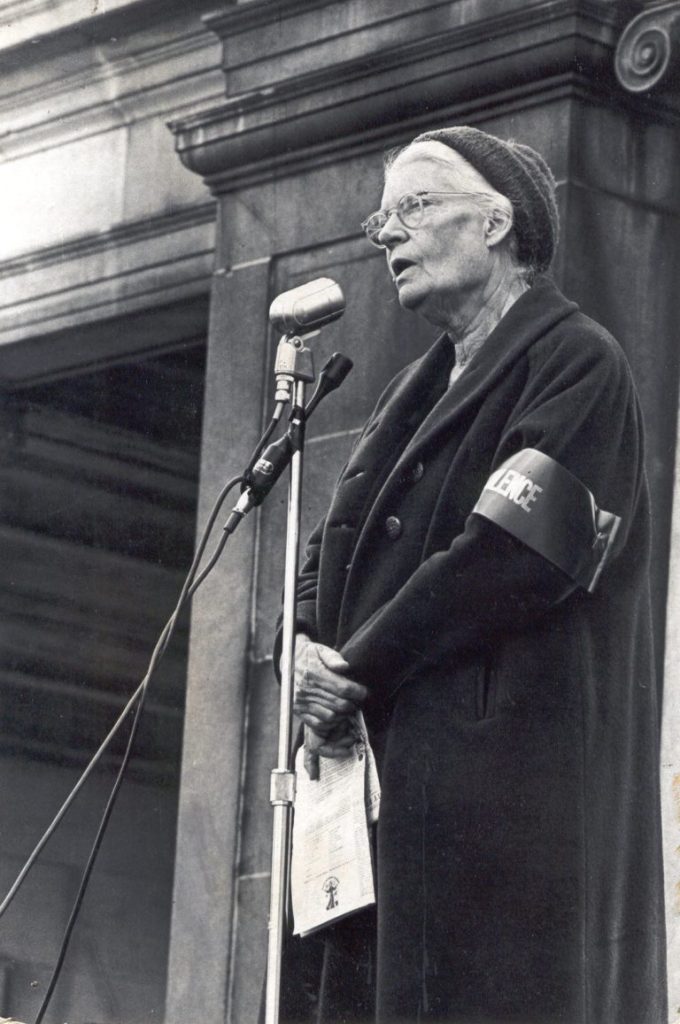
As Dorothy Day famously wrote in The Catholic Worker, “we do not have faith in God if we depend on the atom bomb.”
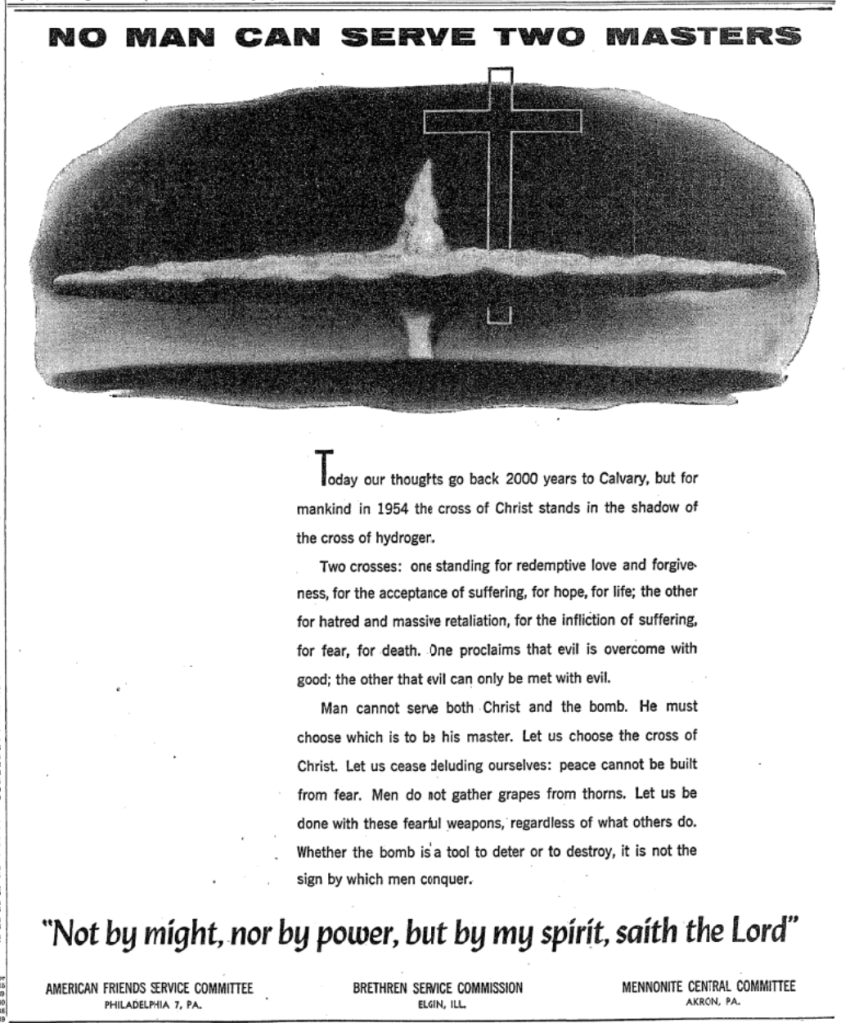
Religious pacifist groups expressed that message by citing a famous biblical passage.
As nuclear dangers rose in the 1960s and afterwards, religious leaders became increasingly alarmed and spoke out for an end to the arms race. The faith community became and has remained an essential voice for peace and disarmament.
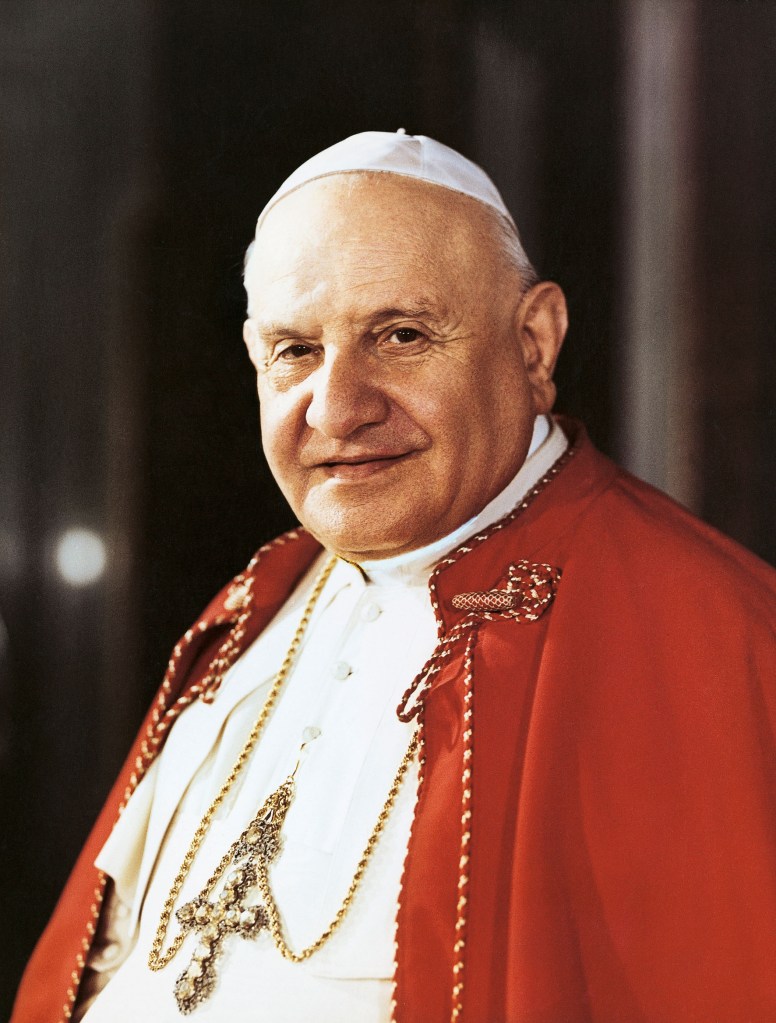
One of the most important religious statements for peace, which had a significant influential on me, came from Pope John XXIII’s 1963 encyclical Pacem in Terris. The Holy Father declared that striving for disarmament and peace are obligations of religious faith.
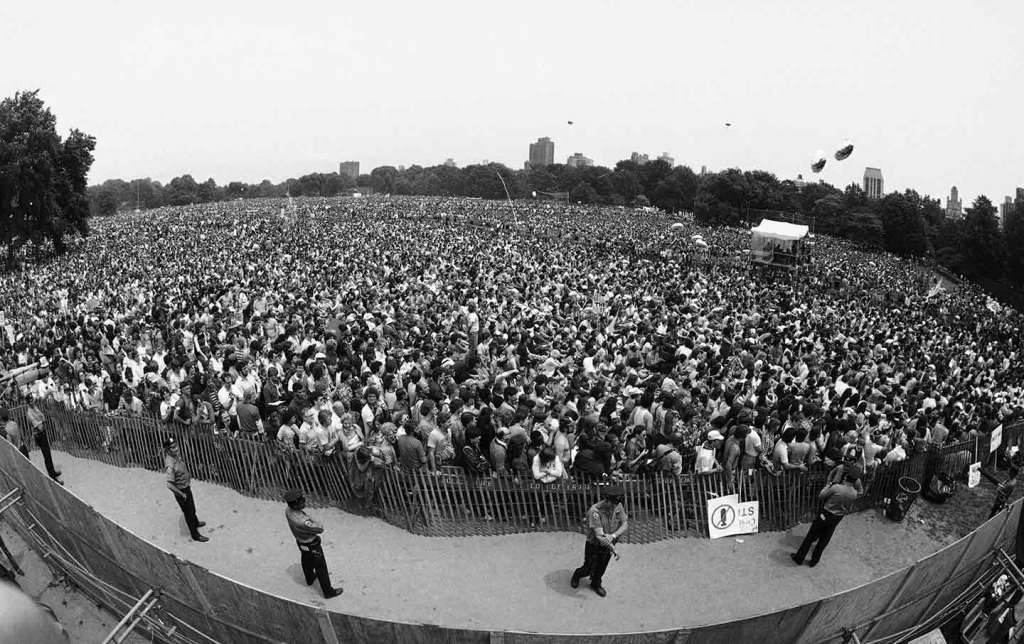
During the 1980s, as nuclear arsenals reached insane levels and Reagan administration officials spoke of limited nuclear war, public fear of the bomb rose sharply. Nearly every major religious organization in the U.S. raised its voice for disarmament. Many supported the proposal for a bilateral freeze on U.S. and Soviet nuclear weapons, a proposal that sparked the largest grassroots nuclear disarmament campaign in U.S. history.
Rev. William Sloane Coffin Jr. used his important position as the Senior Minister of New York’s prestigious Riverside Church to raise his eloquent voice for peace. He founded the Riverside Disarmament Program that reached thousands of clergy and laity across the country. He later became the President of Peace Action and in his final years founded Faithful Security, a network of religious groups seeking the abolition of nuclear weapons.
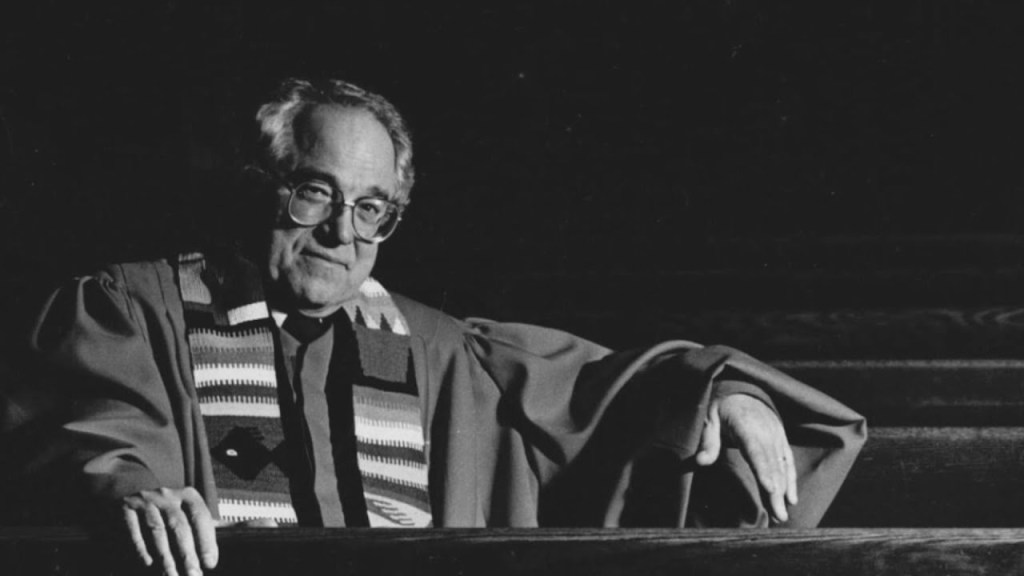
Rev. Jim Walls, co-founder and president of the Sojourners community, was one of the founders of the Nuclear Weapons Freeze Campaign. He preached his message of progressive evangelism in countless speeches and homilies and a series of influential books.
Many churches bodies and Jewish organizations issued pastoral letters, conducted educational campaigns, and organized conferences. In the hearts of millions of Americans, God was on the side of peace, against the bomb.
Religious declarations
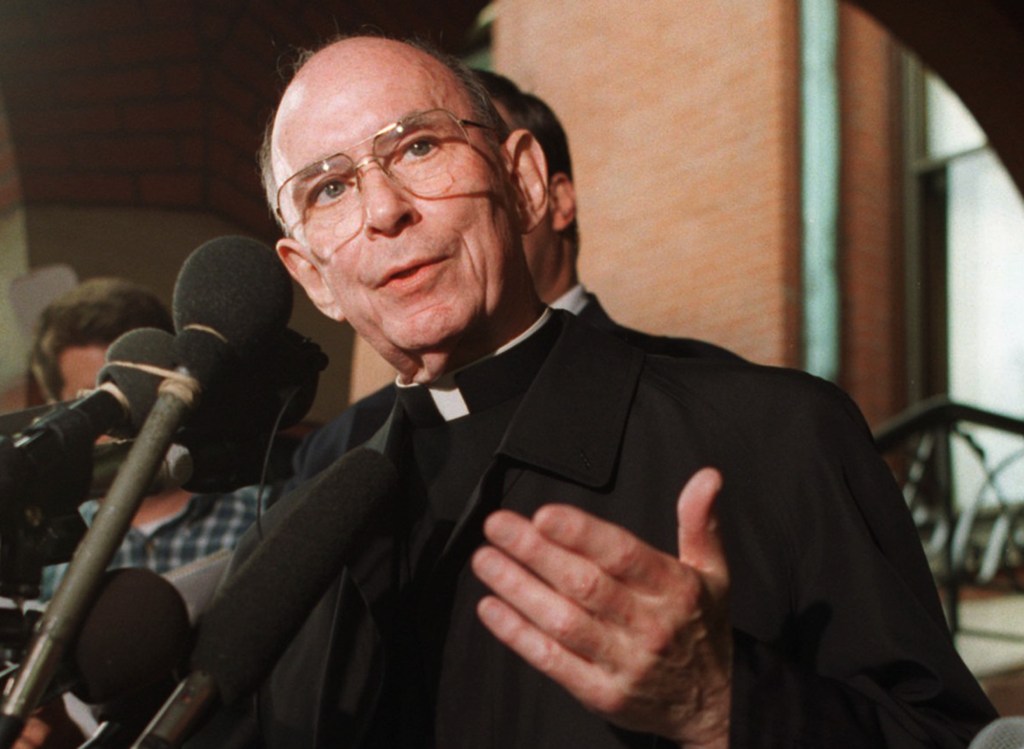
The most significant religious statement during the 1980s was the pastoral letter of the U.S. Catholic Conference of Bishops, The Challenge of Peace. Issued in 1983, the statement called for “immediate bilateral agreements to halt the testing, production and deployment of new nuclear weapons systems,” using the language of the nuclear freeze proposal. The bishops also supported no first use of nuclear weapons, a comprehensive test ban treaty, and the removal of all short-range nuclear weapons.
Many other Christian and Jewish bodies issued statements for disarmament, as summarized below.
Forbidden
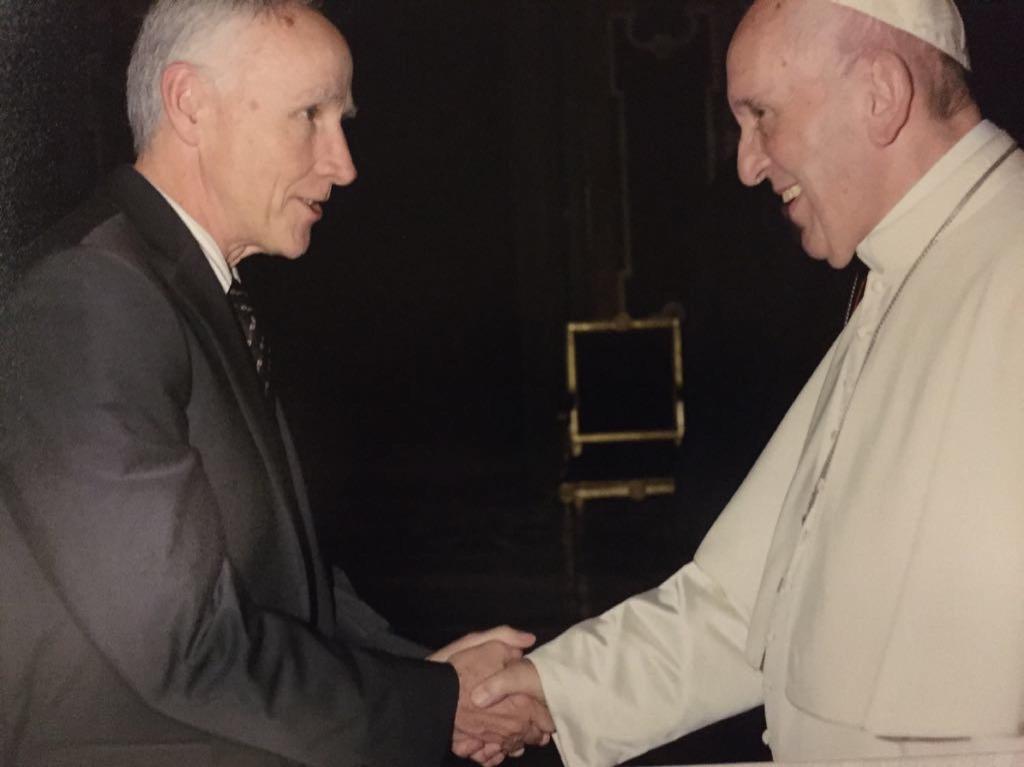
In November 2017 Pope Francis gave an address that explicitly condemned not only the use of nuclear weapons, but also the threat of their use and their very possession. This ground-breaking statement occurred at a Vatican conference cosponsored by the University of Notre Dame’s Kroc Institute for International Peace Studies and other organizations.
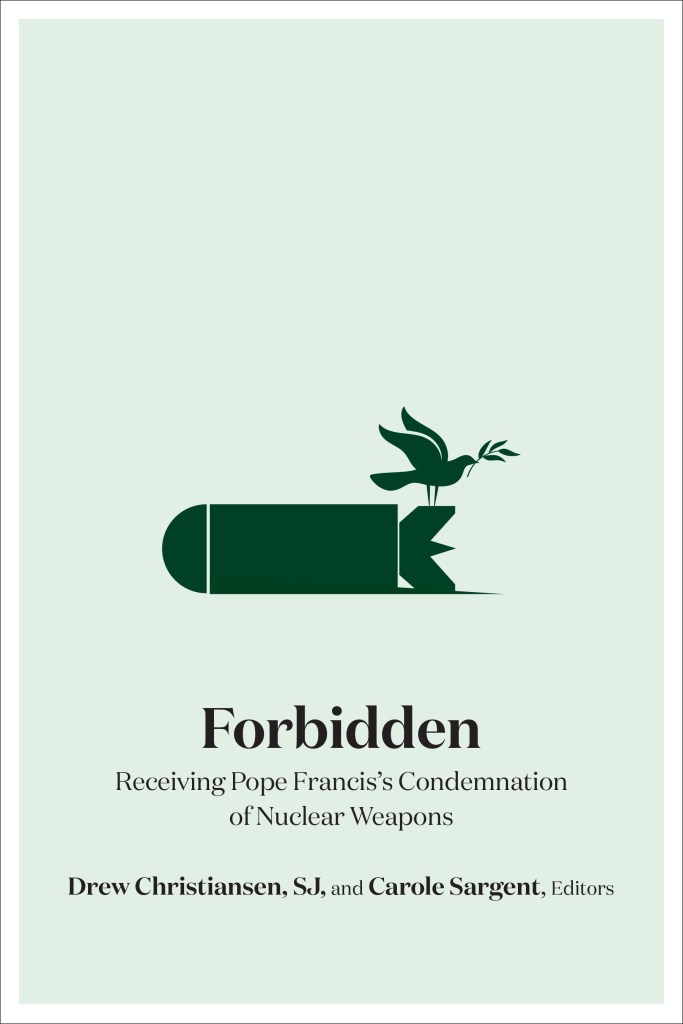
Francis’s statement became the basis for the 2023 volume, Forbidden: Receiving Pope Francis’s Condemnation of Nuclear Weapons. The Holy Father’s declaration has transformed Catholic social teaching on war and peace and establishes a new moral imperative for disarmament.
 David Cortright
You must be logged in to post a comment.