
After the successes of the 1980s disarmament movement in helping to end the arms race, the fear of nuclear war receded. There was a collective sigh of relief. Many people stopped worrying about the bomb.
The respite did not last long. Nuclear dangers began to re-emerge, amidst proliferation worries and rising U.S.-Russia geopolitical tensions. By 2020s, a new arms race was underway.
Landmark arms reduction agreements were discarded, including the Intermediate Nuclear Forces (INF) treaty that ended the cold war in Europe. The last strategic arms reduction treaty, New START, was allowed to expire.
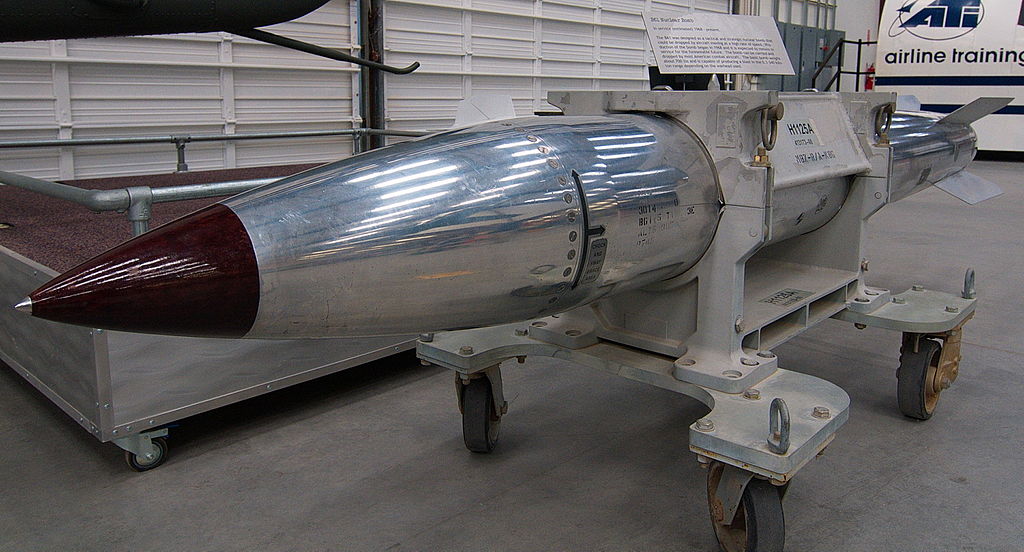
U.S. nuclear weapons development budgets rose , with the Pentagon spending an estimated $2 trillion dollars over a thirty-year period to completely rebuild the U.S. nuclear weapons complex: new land-based missiles, ballistic missile-firing submarines and missiles, more bombers and air-launched cruise missiles, a new class of submarine-launched cruise missiles, and expanded nuclear production facilities to manufacture plutonium pits for additional nuclear warheads.
The nuclear upgrade is euphemistically termed “modernization,” but it is more accurately understood as a vast program for the reconstruction and upgrading of the entire arsenal to strengthen the capacity to use nuclear weapons.
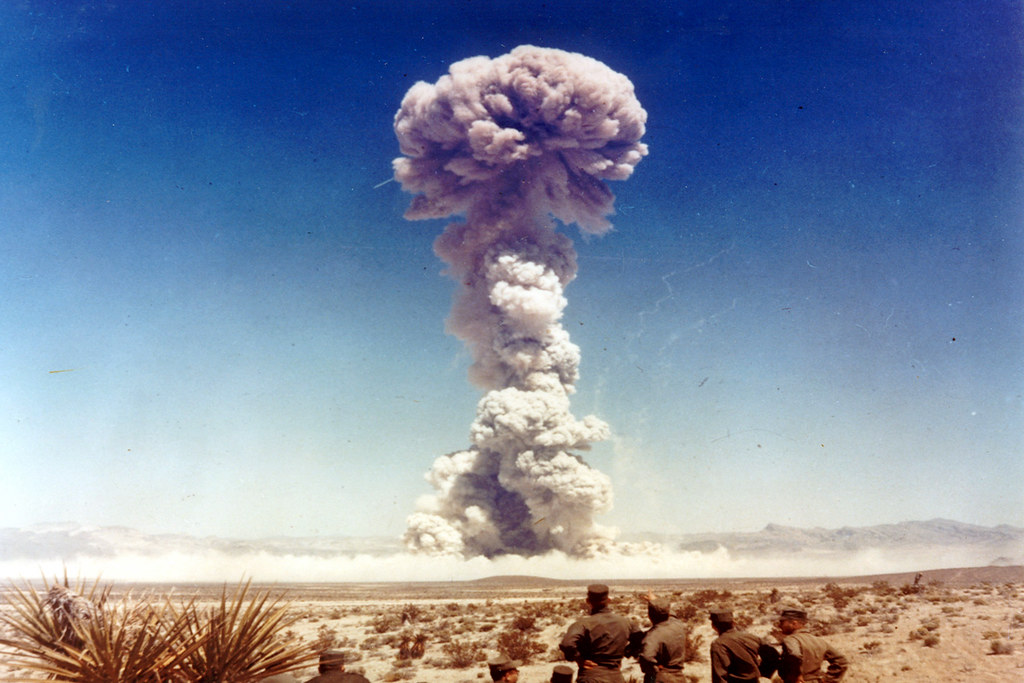
The U.S. is engaged in a new arms race with Russia and China that increases the risk of nuclear war.
A New Appeal to Halt and Reverse the Arms Race
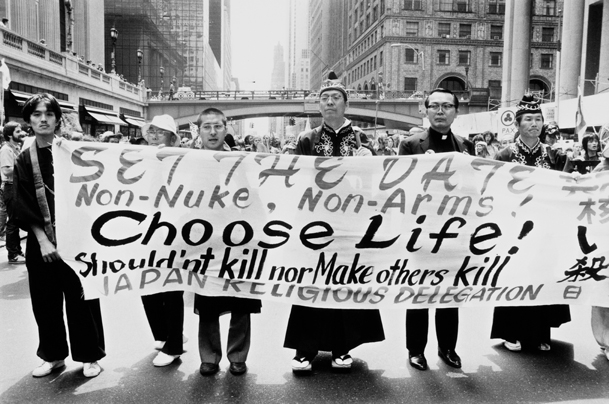
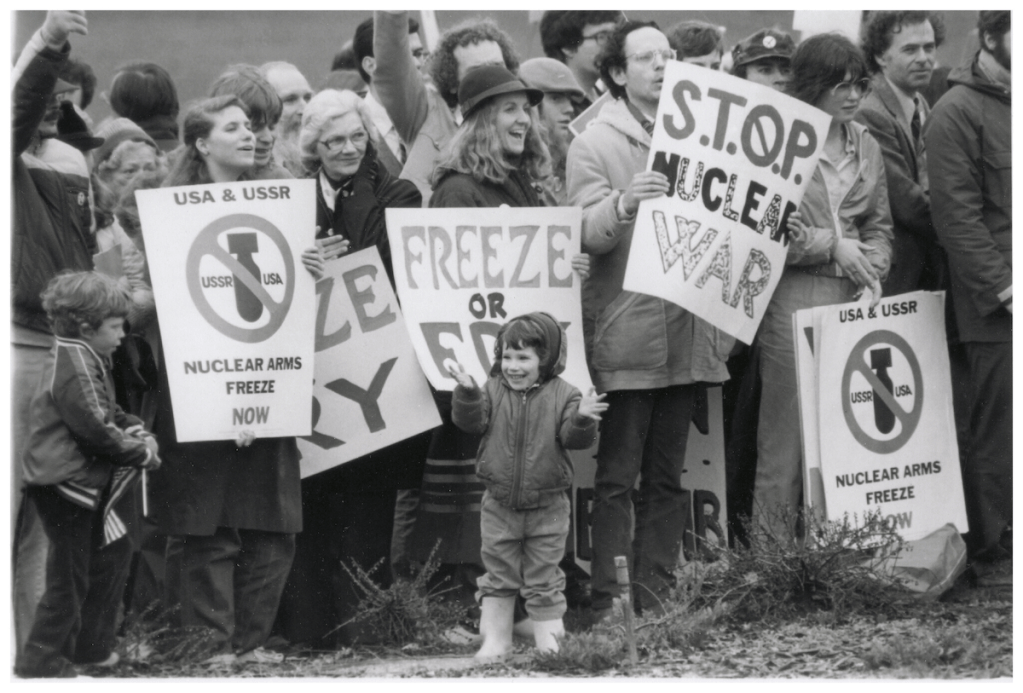
Amidst these mounting dangers activists began to mobilize, launching a new Appeal to Halt and Reverse the Arms Race.
In 2025 dozens of arms control groups unified around the message “more nuclear weapons do not make us safer.” They joined together to issue a global appeal, calling on the U.S. and other countries to halt and reverse the nuclear arms race, demanding an end to the building of new nuclear bombs and weapons systems on all sides, including the U.S., Russia and China. Hundreds of groups have endorsed the appeal.
The appeal is loosely based on the original Bilateral Nuclear Weapons Freeze proposal. The text of the appeal follows.

We call on the leaders of the United States and other nuclear-armed states to immediately implement a mutual and verifiable halt to the deployment and development of more nuclear bombs and nuclear weapons systems.
The appeal affirms the Reagan-Gorbachev maxim, reiterated by the five legacy nuclear-armed states, that “A nuclear war cannot be won and must never be fought.”
The Disarmament Agenda
The Appeal calls on U.S. leaders to fulfill their disarmament obligations and engage immediately in good faith negotiations with Russia and other nuclear-armed states to cap and reduce nuclear arsenals and to refrain from threats of their use, as essential steps toward the peace and security of a world without nuclear weapons.
Campaign Objectives:
- U.S. and Russian agreement to maintain the restrictions on weapons levels in the New START agreement, with the two states pledging not to exceed the limits established under the expired treaty and to begin negotiations for a new treaty to reduce nuclear weapons.
- A mutual pledge by the U.S. and Russia to maintain the existing de facto nuclear testing moratorium.
These are small but achievable steps that could slow the global arms buildup and pave the way for more fundamental changes.
Opposition to the new arms race requires a coalitional approach that creates alliances with movements for social justice and the defense of democracy.
The progressive agenda for democracy and social justice cannot be realized without reductions in excessive arms spending and a shift in budget priorities to emphasize social and environmental investment rather than war preparation. This awareness creates the basis for building activist unity on social justice and disarmament issues.
Opportunities for cooperation across constituencies increase when huge increases in nuclear weapons spending come at the expense of urgently needed social programs.
The fiscal 2026 U.S. federal budget cuts funding for medical insurance, nutritional assistance and other vital social programs by approximately $1 trillion over the coming decade. During that period, the U.S. government will spend the same amount, $1 trillion, to rebuild and upgrade U.S. nuclear weapons systems. These comparisons starkly reveal the nation’s warped priorities.
Defending History
The mobilization against the new arms race in the 2020s is a reminder of the double challenge activists face.
- First is the task of attempting to make history, participating in social movements and political struggles to alter public policy and achieve social change.
- Second is the need to defend our achievements when political adversaries attempt to deny or take back our victories.
Movements can defend their gains by telling the story of how successes were achieved, identifying lessons for the future, and blocking attempts to turn back the clock. Safeguarding history can be as important as making it.
 David Cortright
You must be logged in to post a comment.