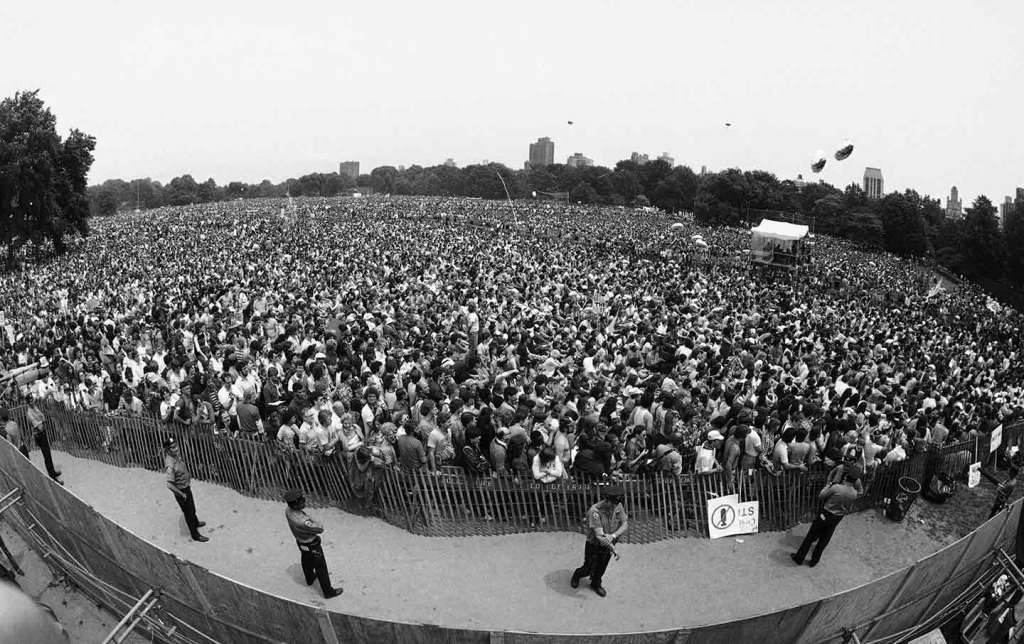
On June 12, 1982, an estimated one million people marched to New York’s Central Park for a rally to freeze and reverse the arms race. The proposition to freeze U.S. and Soviet weapons was on the ballot in 10 states and the District of Columbia and was approved in all except Arizona. The freeze proposition was affirmed by voters or lawmakers in 29 cities, 800 town meetings, and 17 state legislatures. Hundreds of national professional organizations endorsed the freeze, as did 25 of the nation’s largest trade unions…
The story of this historic transformation and the rise of the Nuclear Weapons Freeze Campaign as an activist organization is told well in Freeze! The Grassroots Movement to Halt the Arms Race and End the Cold War. Written by historian Henry Richard Maar III, the book offers a compelling, well-documented analysis showing how the freeze movement fundamentally altered the terms of debate about nuclear weapons policy and had a significant impact on the rhetoric and policies of the Reagan administration…
Cortright, David, and Henry Richard Maar. “Nuclear Anxieties, Then and Now.” Arms Control Today, vol. 52, no. 7, 2022, pp. 42–44. JSTOR, https://www.jstor.org/stable/27173091.
 David Cortright
You must be logged in to post a comment.