The movement against the US war in Indochina was the largest, most sustained and intensive antiwar campaign in American history. For a decade, as the US war escalated, reached its furious peak, and then gradually diminished, millions of citizens in the US and around the world campaigned to bring the war to an end. During that era, Tom Hayden wrote, Americans took to the streets in numbers exceeding 100,000 on at least a dozen occasions, sometimes reaching half a million.
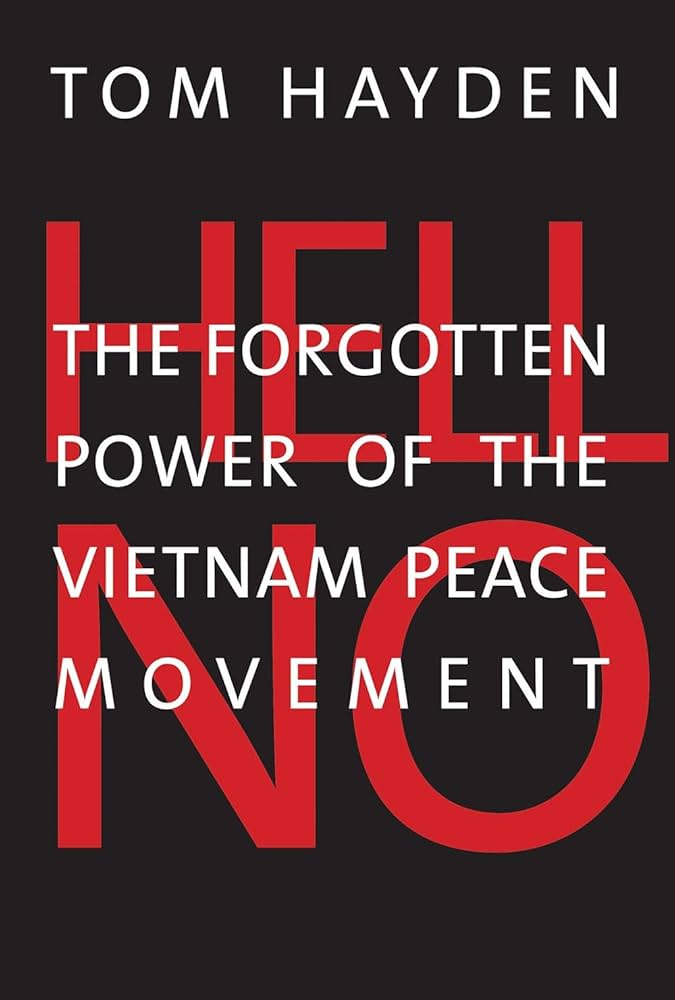
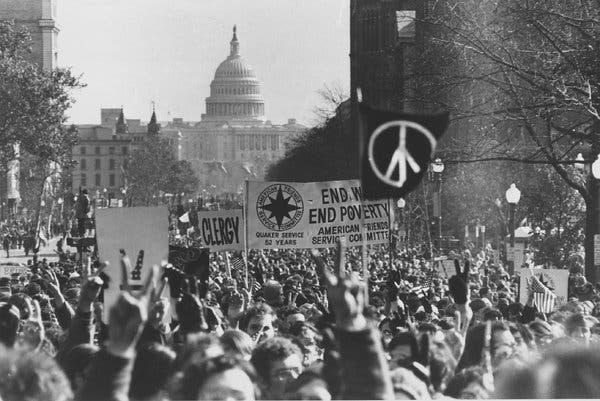
From the first major protests and teachings in 1965, to the Indochina Peace Campaign in the 1970s, opponents of the war engaged in public education campaigns, mass marches, ticketing, prayer vigils, boycotts, student strikes, draft resistance, legislative lobbying, media and advertising, electoral campaigns and more.
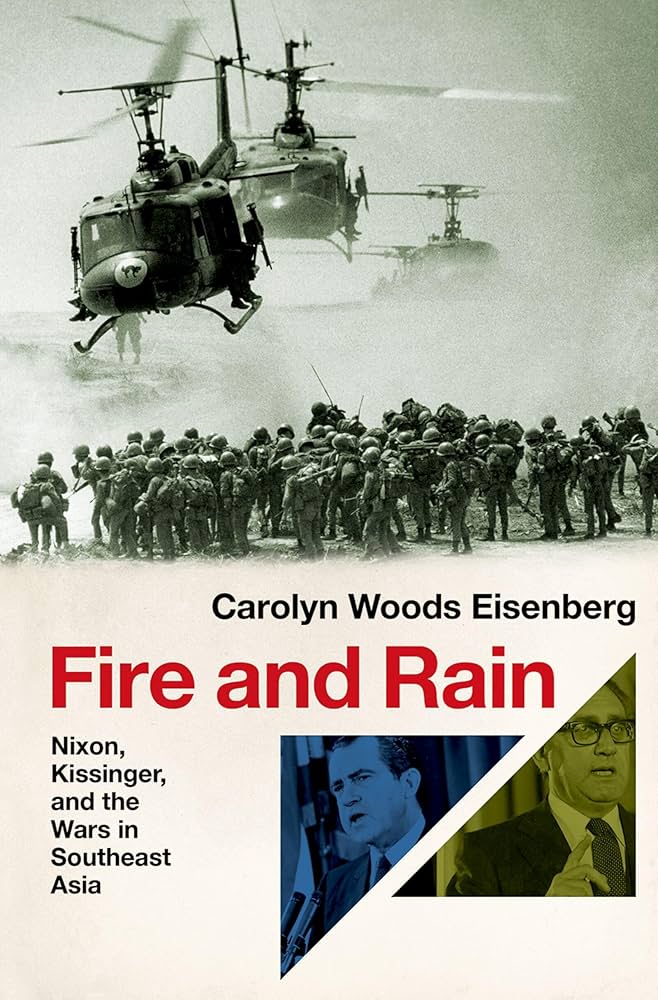
The antiwar movement had significant influence on government decision making. As Caroline Eisenberg concluded in her prize-winning history, Fire and Rain, “waves of mass demonstrations, accompanied by growing resistance inside the military, ongoing electoral activity, and lobbying efforts on Capitol Hill imposed significant constraints on presidential decision making.”
My Journey to Dissent
I played a small part in the antiwar movement as an antiwar soldier stationed at Ft. Wadsworth, New York, and Ft. Bliss, Texas.
I never expected or wanted to enter the army, but 1968 was an unfortunate time to be an available young man in America. The war was raging, and the army needed cannon fodder. The Selective Service System was grabbing everyone they could get. The lottery did not exist yet, so everyone eligible was subject to military conscription.
The moment I graduated from college that spring and lost student deferment status, my turn came. A few days after graduation, I received orders from the local draft board to report for my pre-induction physical. A month later, I was classified 1-A, eligible for military service, and my induction orders arrived soon after.
Faced with the inevitable and hoping to avoid the infantry, I reluctantly volunteered for a three-year hitch in the army band. I was a “draft-induced” volunteer in the parlance of the time. I would defend my country by playing a trumpet and baritone horn in the army band. I had to go through basic training, though, and soon I was crawling through the sands of Fort Dix, New Jersey.
When I joined the army, I was hoping to skate by, to avoid trouble and get on with my life after service. But my conscience wouldn’t allow it. The more I learned about the war, the more outraged I became at the horrifying toll in death and destruction in Vietnam. I could not be part of something I knew to be so grievously wrong. I had to speak out.
My experience in the army during the Vietnam War turned me into a peace activist. I became part of the GI peace movement. I joined with other soldiers at Ft. Wadsworth and other nearby bases to organize antiwar actions.
In the fall of 1969, we participated in a petition drive among active-duty service members calling for an end to the war. The petition appeared on November 9, 1969 as a full-page ad in the Sunday edition of the New York Times.
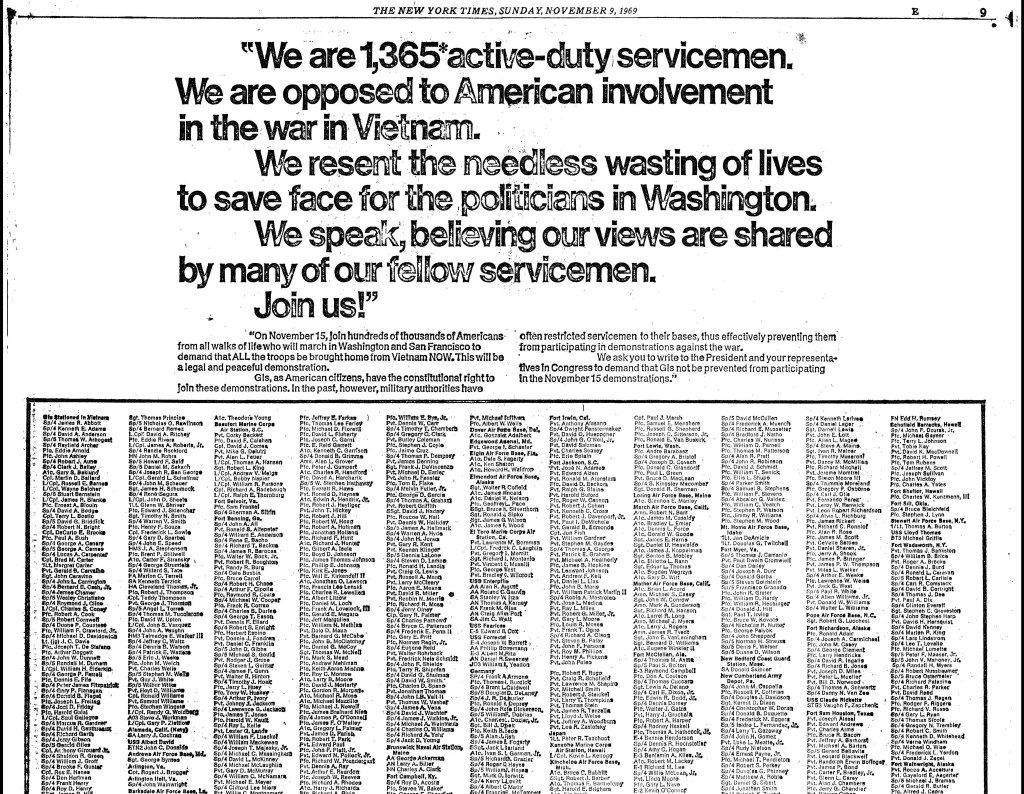
Among the signers were more than 30 soldiers from Ft. Wadsworth.
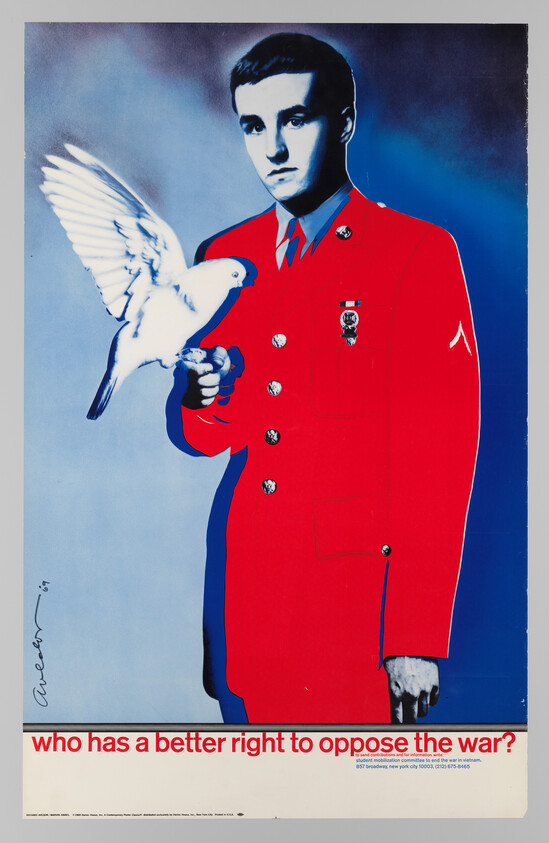
Soon afterwards, I was asked if I would pose for an antiwar poster. A few days later I arrived at the Manhattan studio of the great fashion and portrait photographer Richard Avedon, who gave generously of his time and talent for the peace movement. At the time I had no idea who he was, so I didn’t know enough to be nervous in the presence of the master.
His portrait is not of me personally but of the antiwar GI as archetype, the thinking soldier who asserts the right and duty to speak out against an illegal and unjust war.
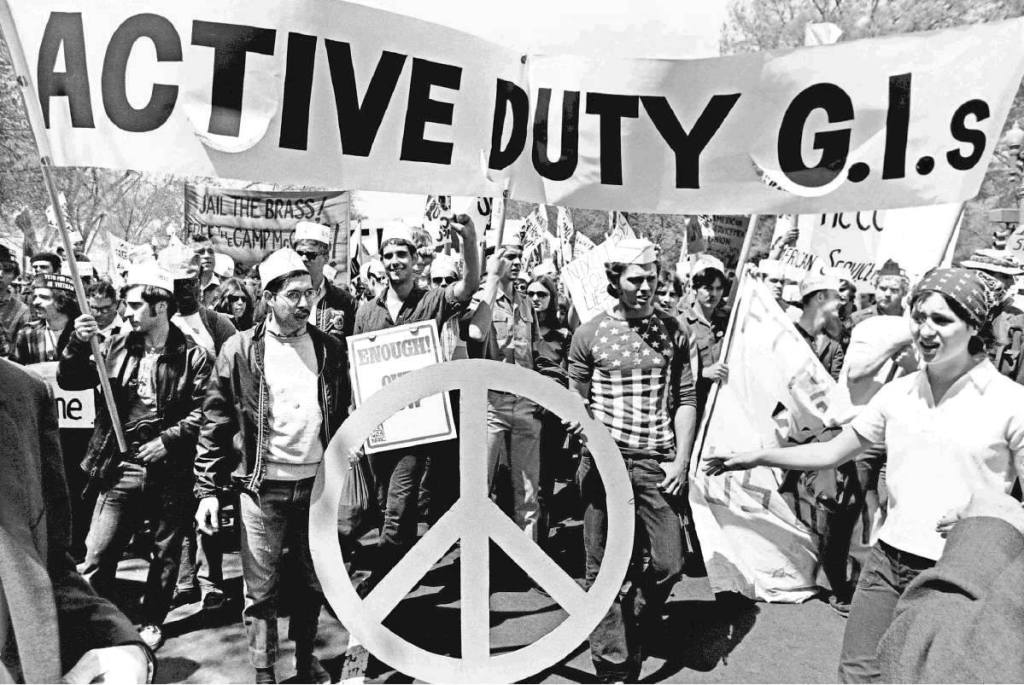
Hundreds of thousands of active-duty soldiers participated in the GI movement. Hundreds of underground antiwar newspapers were published at military bases and on ships throughout the military, as the movement spread to all of the services. Protests and petitions by active-duty service members occurred frequently, and absentee and desertion rates soared to record levels, peaking in 1971-72.
Mounting internal resistance within the ranks led to a breakdown in military cohesion and capability, and a growing number of combat refusals in Vietnam. Evidence from military scholars indicates that hundreds of mutinous events likely occurred in the last final years of the war.
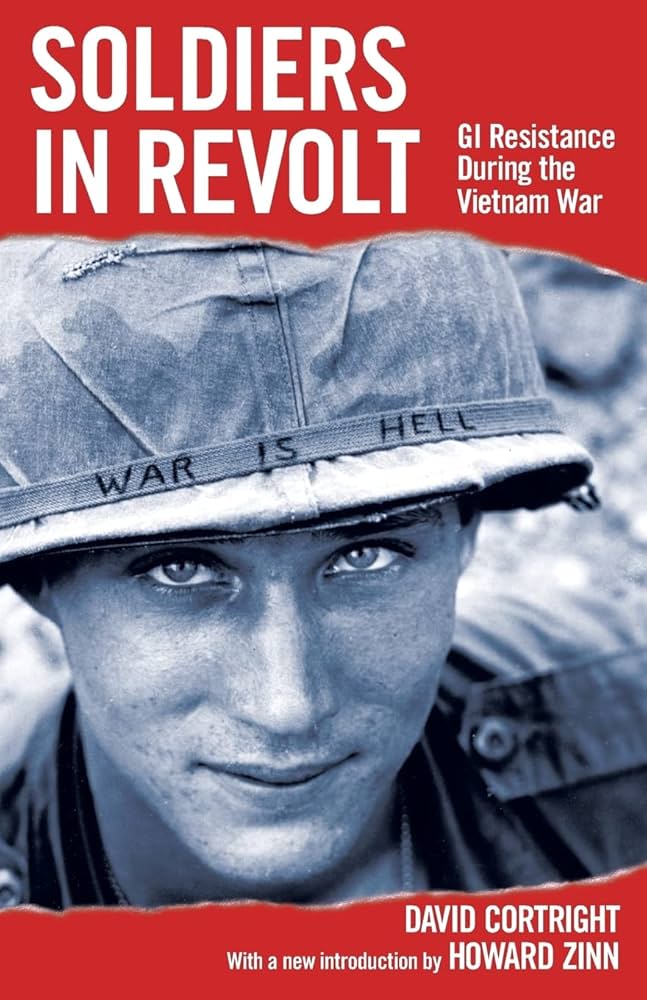
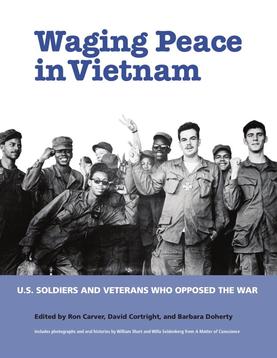
I wrote a history of GI antiwar dissent and resistance within the military for my PhD dissertation, which was published as the book Soldiers in Revolt. I also coedited the volume Waging Peace on Vietnam.
Retrenchment
Richard Nixon won election of 1968 on a promise to end the draft and achieve peace in Vietnam. He created an all-volunteer force, which led to a sharp decline in troop strength. The size of the army dropped nearly in half by 1972.
Nixon also began a small reduction of troops from Vietnam in 1969, but he was forced to increase the pace of withdrawal by persistent pressure from antiwar protests, and by the mounting resistance in the military.
The disintegration of military morale prompted senior military leaders Defense Secretary Melvin Laird and Vietnam Commander General Creighton Abrams to argue for faster reductions in troop levels. Laird recognized that the war was “destroying” the military, his biographer wrote. Abrams urged a quicker pullout of troops, confiding to an aide, “I need to get this army home to save it.”
The massive drawdown of military strength from 1969 to 1972 was described by Fortune magazine as a “reluctant retrenchment.” It was combined with the removal of US ground troops from Vietnam. These actions constituted a unilateral withdrawal of US troops and contraction of military forces in the midst of a major land war, made without regard for the military operations and capabilities of the enemy. The end of the draft and withdrawal of forces were politically motivated decisions in response to massive antiwar pressure and widespread resistance to the draft and within the ranks.
Movement Impacts
Antiwar action had definable impacts in restraining military escalation at several key turning points in the war.
In 1968 antiwar activists supported Senator Eugene McCarthy as an antiwar candidate in the Democratic Party election primaries. McCarthy’s dramatic early successes in the primaries prompted President Lyndon B. Johnson to announce on March 31 that he would not seek reelection. The White House also stopped further escalation of the war, announced a bombing halt and began negotiations to end the conflict, although it took four more years to finally reach an agreement.
Richard Nixon was elected President in 1968 on a promise to end the war, but the fighting continued, and so did antiwar protest. The fall of 1969 saw two of the largest actions of that era: the October 15 Vietnam Moratorium in which an estimated two million people demonstrated for peace in their local communities, and the November 15 mobilization in Washington DC of half a million people, including hundreds of active duty soldiers. Nixon later admitted in his memoir that the “raging antiwar controversy” prevented him from proceeding with a massive escalation of the war that was planned at that time.
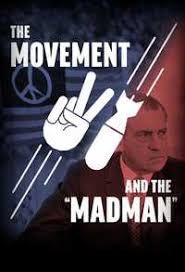
The last US ground troops left Vietnam in January 1973, but American bombing continued on a massive scale. The Nixon administration requested congressional appropriations for the Saigon and Phnom Penh regimes to continue the war.
Antiwar activists mounted a major grassroots lobbying campaign to cut funding for the war. Congress voted in June 1973 to terminate “all US military activity in and over or off the shores of Indochina.” Activists mobilized continuing pressure in 1974 and 1975 to slash funding for the Vietnamese and Cambodian governments, which collapsed in the spring of 1975. The pressure applied by the antiwar lobby played a significant role in convincing Congress to cut US funding for further war.
Sustained mass protest, political opposition and civil and military disobedience impeded the US ability to sustain the war.
 David Cortright
You must be logged in to post a comment.