Principles of nonviolence and peace are deeply rooted in the teachings of the Gospel. They are also found in Buddhist, Hindu, Jain, Judaic and Islamic teachings.
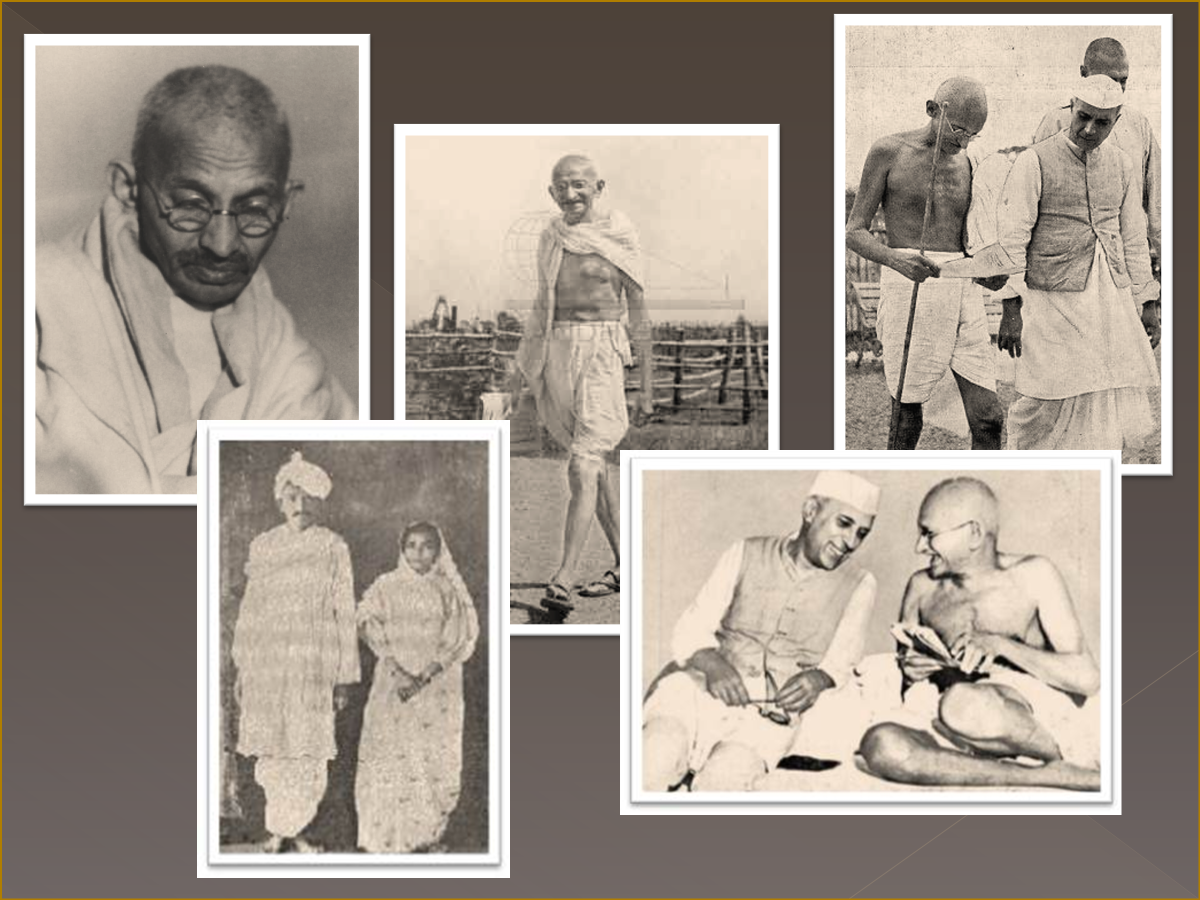
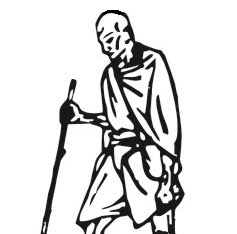
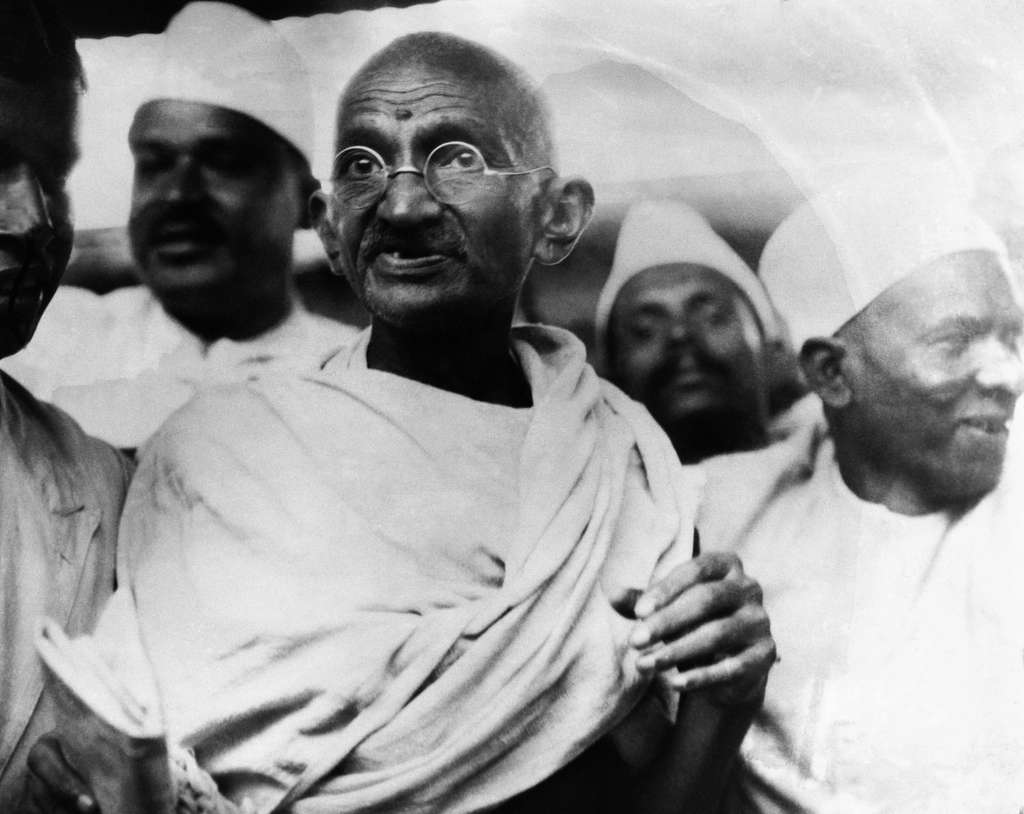
Gandhi was greatly influenced by Jesus. He read the Sermon on the Mount every day, according to John Dear, and was deeply moved by Jesus’ command to love all, even our enemies. He also read the Qur’an and other religious scriptures.
The core principle of nonviolence is to avoid harm. To care for and love others.
Nonviolence is not a passive concept. It is an active commitment to prevent violence and suffering. To counter oppression and the exploitation of the poor, to serve those whom Jesus called the least of these.
Nonviolence is also a method of social action. Gandhi developed the concept of satyagraha, which combines the Hindu words for truth and firmly grasping. The term can be translated as “truth force.” It is a method for fighting against injustice and oppression while adhering to moral and religious principles. It the most effective means of social change and political action for justice and peace.
Sojourn to Gandhi
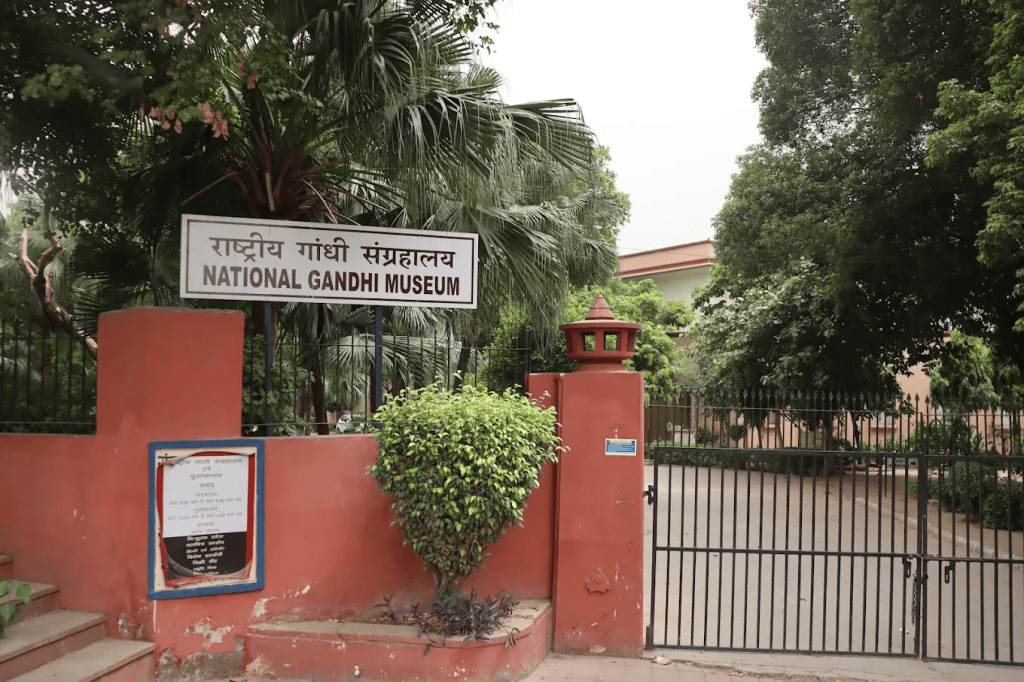
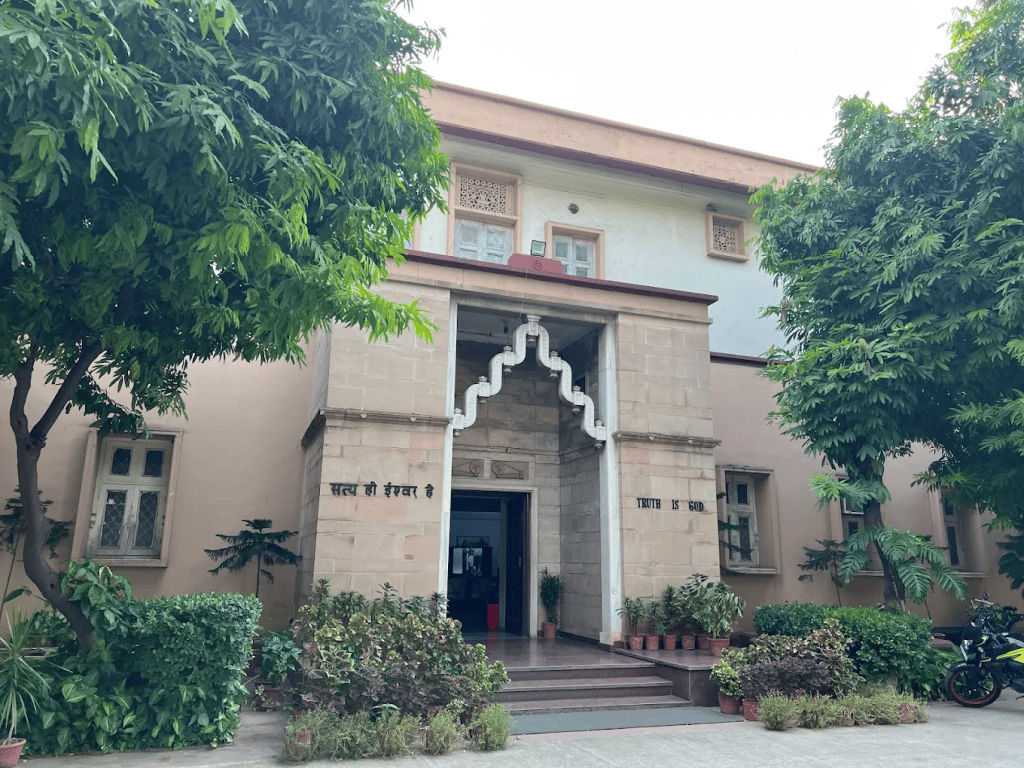
As my commitment to the study and practice of peace deepened, I traveled to India to learn about his ideas and methods of social action. I conducted research at the National Gandhi Museum in Delhi, read the works of Indian scholars, interacted with his grandchildren, and had the opportunity to meet elderly campaigners who had worked with the Mahatma during the national freedom movement.
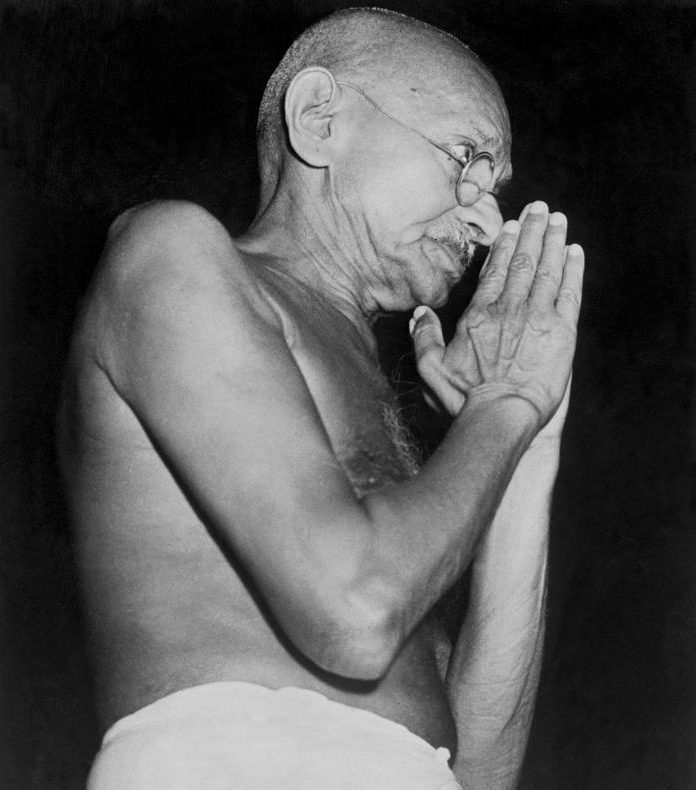
Gandhi’s commitment to nonviolence was rooted in the search for truth and spiritual meaning.
Human knowledge is always conditional and relative, Gandhi wrote. Only God is omniscient. “We can never have the level of certainty about a perceived truth that would entitle us to commit violence on its behalf.”
Ends and means must be compatible, Gandhi taught. He considered means more important than ends. The consequences of human action are unpredictable, but the means employed are concrete and certain.
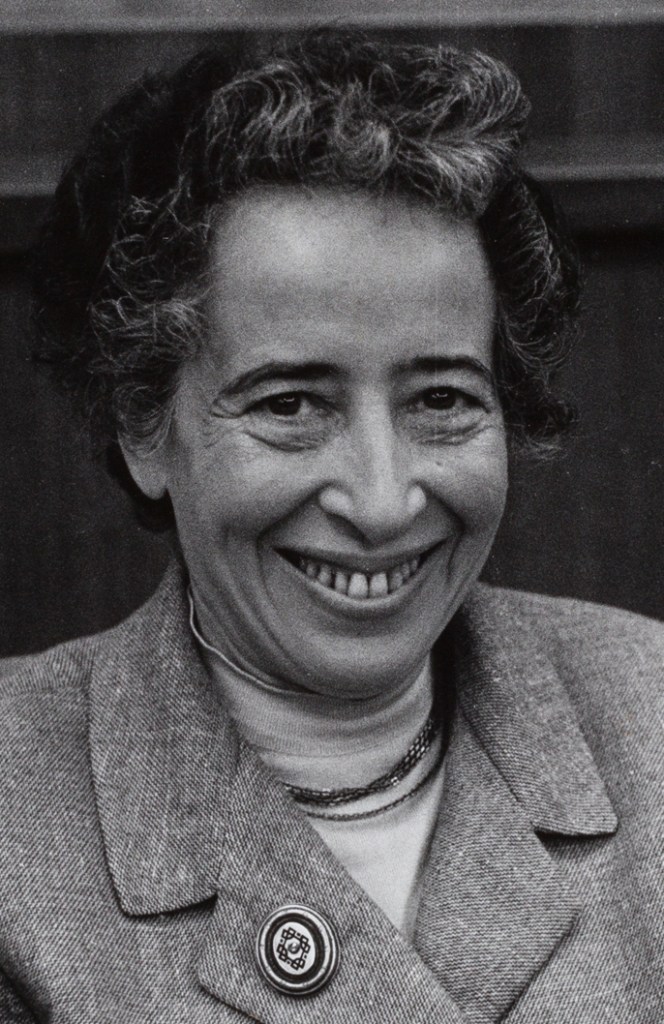
Political philosopher Hannah Arendt had a similar view. She wrote: “since the end of human action . . . can never be reliably predicted, the means used to achieve political goals are more often than not of greater relevance to the future world than the intended goals.1“
Just means are needed to achieve just goals.
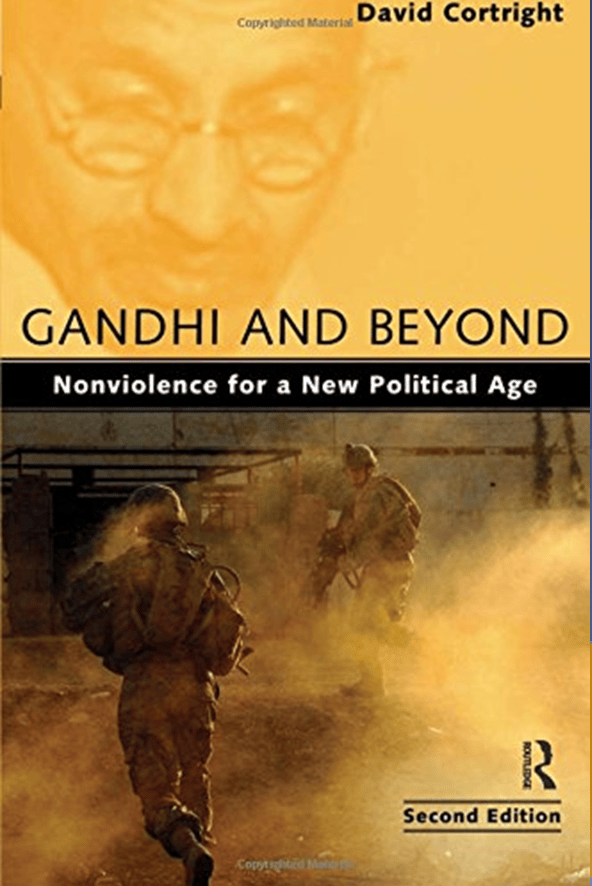
Gandhi was the pioneer of nonviolent social change. He developed and applied practices of nonviolent action to overcome racial segregation in South Africa and to achieve political independence in India.
Gandhian methods were applied in the US civil rights movement and other social movements, including those in which I participated: the Vietnam antiwar movement, the nuclear weapons freeze campaign, and the Iraq antiwar movement.
Principles of overcoming war and oppression through nonviolent means are also embedded in Catholic social teaching. Pope Francis called nonviolence a “style of politics.”
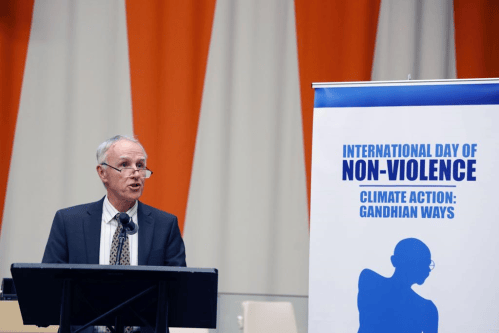
In 2019 I was invited by the Indian Mission to the United Nations in New York to deliver an address at a UN ceremony commemorating Gandhi’s 150th birthday. I was asked to discuss the relevance of Gandhi’s philosophy to the challenge of climate action today. It was an honor to reflect upon Gandhi’s continuing relevance for the world.
Teaching Nonviolent Social Change
For many years at Notre Dame I taught a popular course on nonviolent social change that was entitled “How to Change the World.”
In the course students learned about the principles of nonviolence and the practices and strategies of effective social action, drawing from Gandhi, Dr. King, Barbara Deming, Gene Sharp, Erica Chenoweth and many others. We discussed lessons from the civil rights movement, the Iraq antiwar movement, and many other cases. Students engaged in team exercises to develop and present hypothetical strategies and communications plans for real or imagined social action campaigns.
 David Cortright
You must be logged in to post a comment.