Overview
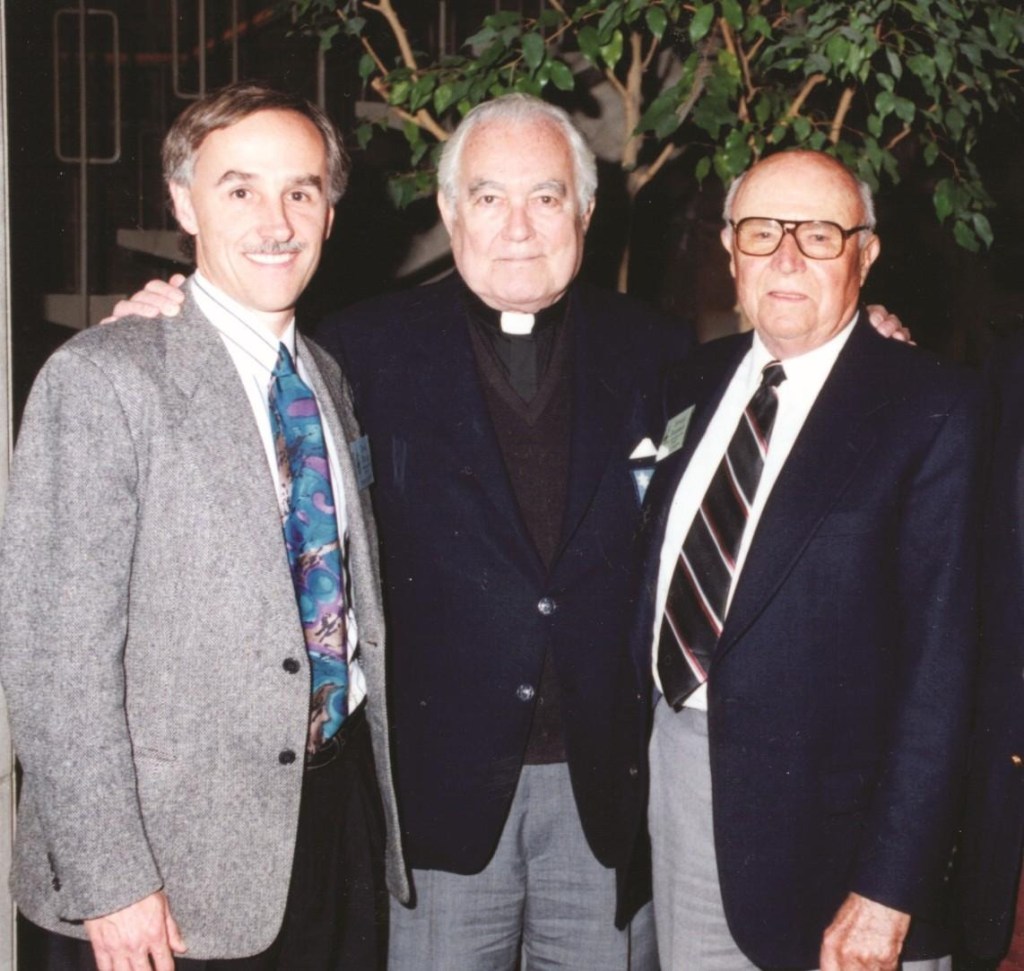
In 1992 I became President of the Fourth Freedom Forum, a private operating foundation dedicated to the use of economic statecraft as an alternative to war. The Forum’s founder, business executive Howard S. Brembeck, believed in the power of trade to enhance international cooperation and security.
I teamed up with Professor George A. Lopez and other colleagues at Notre Dame’s Institute for International Peace Studies to launch the Sanctions & Security Research Program, a multiyear research and policy analysis initiative that continues to this day.
The program began with a major policy conference on UN sanctions at Notre Dame in 1993.
Over the course of more than three decades, the Sanctions and Security Program has produced dozens of books, articles and reports and sponsored dozens of symposia and briefings for UN decision makers. The Program has helped policymakers to make sanctions smarter and more targeted, with fewer adverse humanitarian impacts. The Program has emphasized the value of combining sanctions with incentives as leverage for diplomatic bargaining to end wars, prevent terrorism, and facilitate nuclear disarmament.
A full panorama of the Sanctions and Security Research Project (SSRP) is available below:
Among the early products of the SSRP were:
- A special issue of The Bulletin of the Atomic Scientists, “Economic Sanctions: Do They Work?” (November 1993)
- Publication of the book co-edited by David Cortright and George A. Lopez Economic Sanctions (1995). The program partnered with the Humanitarianism and War Project and the Watson Institute for International Studies at Brown University to develop new tools for assessing and mitigating the humanitarian impact of sanctions. The results included:
- A 1998 report that served as the working template for the assessments of sanctions impact conducted by the UN Office for the Coordination of Humanitarian Affairs, Security Council Sanctions Committees, and related agencies.
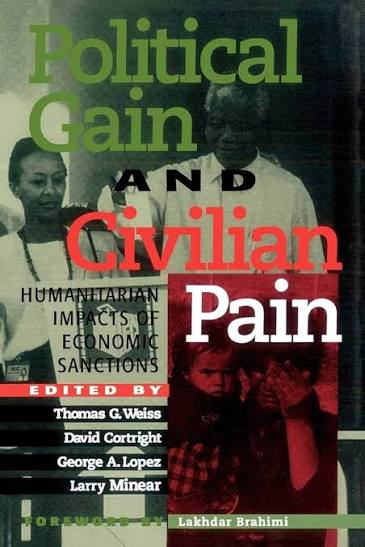
- A major edited volume of analyses and case studies on humanitarian impacts, Political Gain and Civilian Pain.
Lopez and I contributed to investigations of sanctions, incentives, and economic statecraft undertaken by the Carnegie Commission on Preventing Deadly Conflict. We researched and wrote chapters for volumes produced by the Brookings Institution, the Carnegie Endowment for International Peace, and the Center for Preventive Action of the Council on Foreign Relations.
I coordinated the Commission’s economic incentives research group and edited the volume The Price of Peace.
Commissions from the Canadian government and the International Peace Academy led to the following publications:
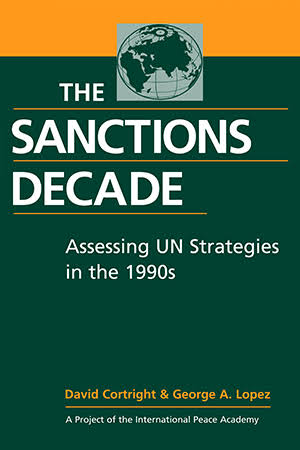
The Choice Award-winning book by Cortright and Lopez, The Sanctions Decade (2000), which included a dozen sanctions case studies and a series of recommendations for sanctions policy reform.
The companion book, Sanctions and the Search for Security (2002), which updated case studies and examined commodity sanctions, the emerging role of investigative UN Panels of Experts, and the post-9/11 role of sanctions in counterterrorism.
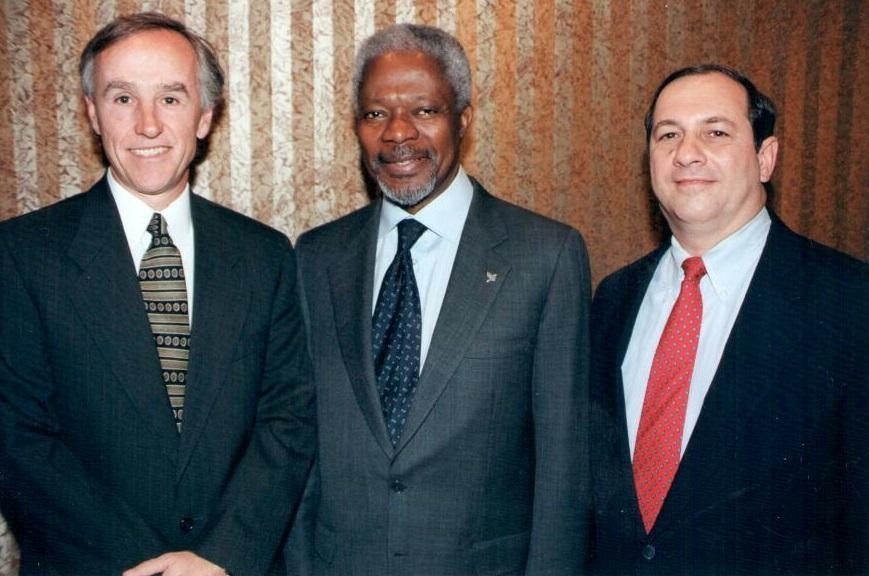
In 2000, UN Secretary General Kofi Annan greeted George Lopez and me at a special meeting of Security Council member state representatives hosted by the Canadian Mission to the United Nations to launch the Sanctions Decade book.
Other governments commissioned research reports from our research team. In 2007 the government of Greece supported research on enhancing the implementation of UN Security Council sanctions and convened a symposium at the UN Trusteeship Chamber at which UN Secretary General Ban Ki-moon delivered the keynote address.
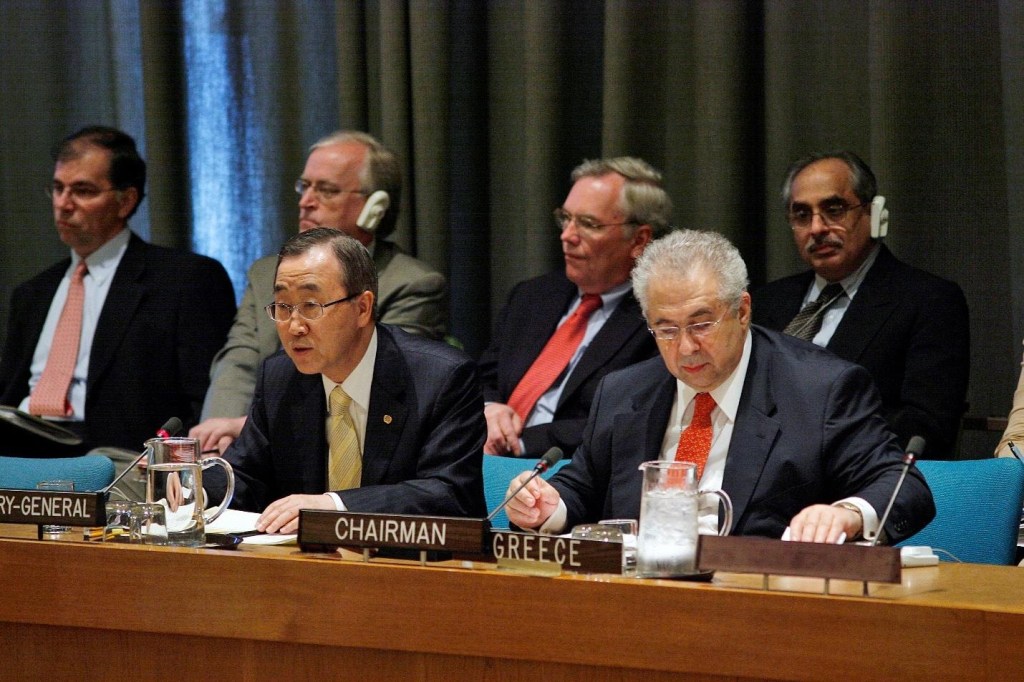
Members of our team and colleagues at the Watson Institute, Uppsala University and other research centers participated in the event.
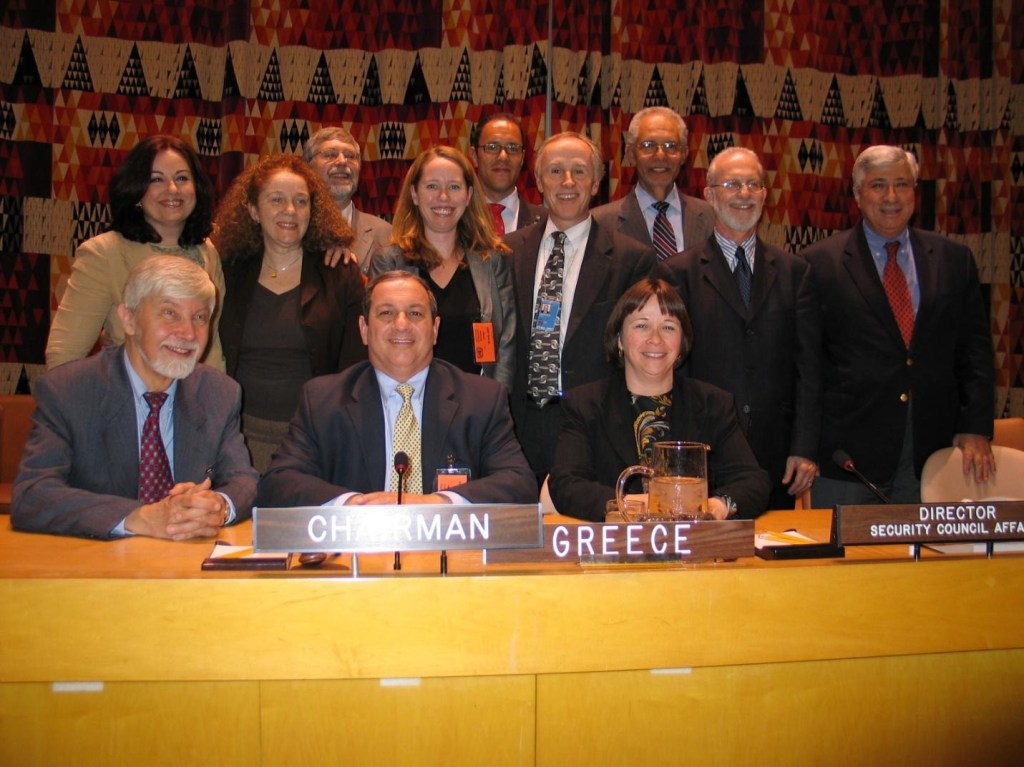
The Sanctions & Security Research Project has continued to assess the use of sanctions to address a range of peace and conflict issues.
The Sanctions & Security team examined the evolution of targeted sanctions in Cortright and Lopez’s chapter on “Sanctions as Alternatives to War,” published in The Handbook on the Political Economy of War, and George Lopez contributed a chapter on “Sanctions” to The Oxford Handbook on the United Nations in 2018.
In 2020 the team produced a report that assesses past UN sanctions cases to address the proliferation of weapons of mass destruction.
Recent initiatives of the Program have focused on refining procedures for humanitarian exemptions and licenses in UN sanctions and reducing corruption and financial crime in post-sanctions settings.
 David Cortright
You must be logged in to post a comment.