In December 1979, with U.S.-Soviet arms control deadlocked and the nuclear arms race rapidly accelerating, arms control researcher Randall Forsberg gave a speech entitled , “A Call to Halt the Nuclear Arms Race.” She urged antinuclear activists to push both the U.S. and the Soviet Union toward a ban on nuclear weapons development.
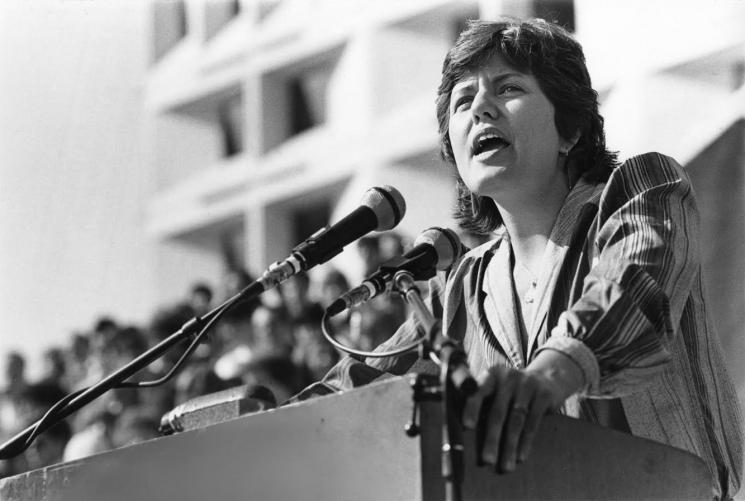
Organizers in western Massachusetts picked up the idea and placed the freeze proposition on the ballot as a non-binding proposition in local electoral districts in 1980. The proposal for a bilateral U.S.-Soviet nuclear freeze was approved overwhelmingly in Republican districts that voted for Ronald Reagan.
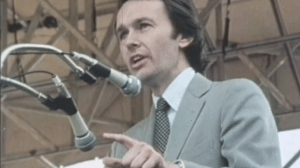
News of the success in Massachusetts spread quickly, and activists across the country organized non-binding freeze referenda. In 1982, the freeze proposition appeared on the ballot in 10 states and dozens of major cities. More than 18 million citizens voted on the freeze that year—60% in favor. Then Rep. Ed Markey (D-MA), a strong supporter of the freeze, described the vote as “the closest our country has ever come to a national plebiscite on nuclear arms control.”
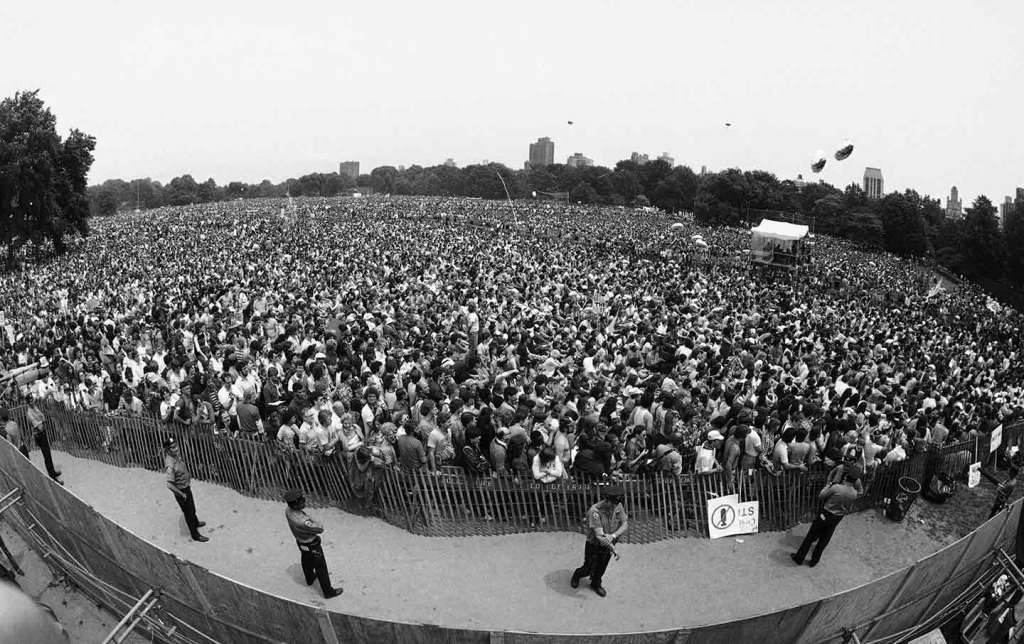
An estimated one million people gathered on June 12, 1982 in New York’s Central Park for the Rally to Freeze and Reverse the Arms Race, the largest disarmament rally in U.S. history.
National opinion polls found more than 70% of respondents in support of the nuclear freeze.
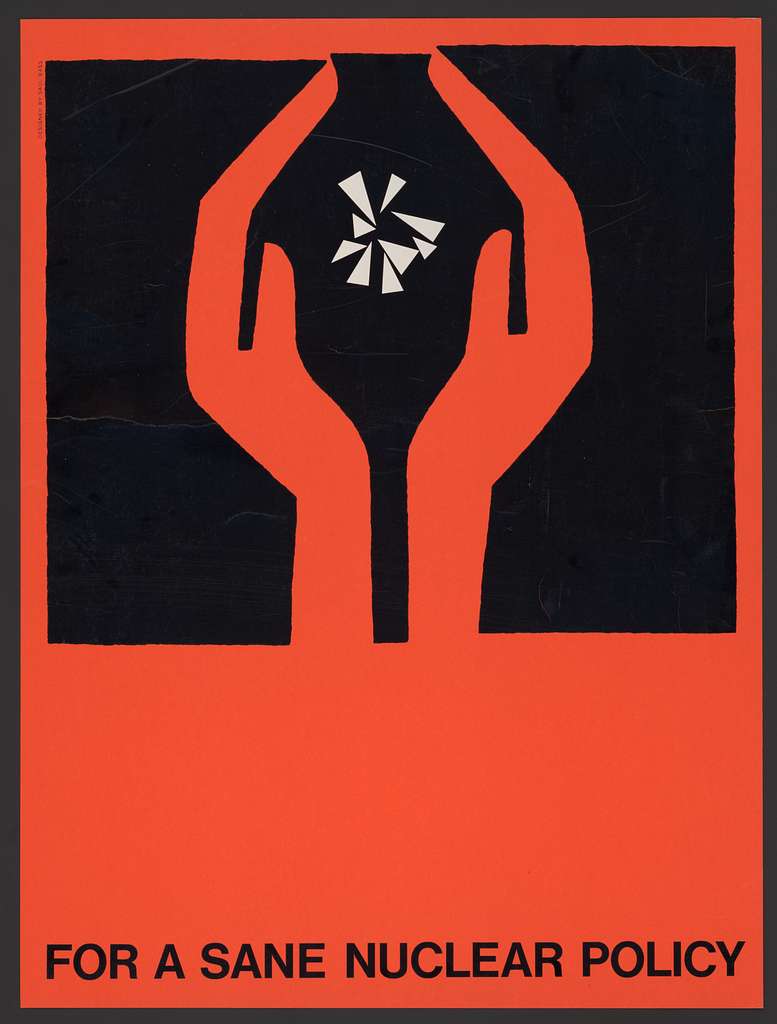
When I became the Executive Director of SANE in 1977, the board of directors of the organization wanted to focus on advocating for general and complete disarmament, as formulated in the 1961 McCloy-Zorin agreement.
It was hard to generate grass roots enthusiasm for such a formulation, however. I proposed instead that we support the nuclear freeze proposal.
Disarmament remains the goal, I told the board, but stopping the buildup of weapons was a necessary first step. If progress could be made in freezing the arms race, this might lay the groundwork for greater denuclearization, which is what happened in the late 1980s and early 90s.
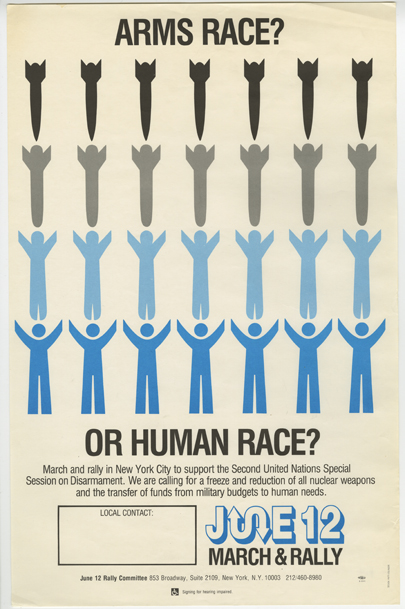
The nuclear freeze proposal was an organizer’s dream. The appeal of the freeze was its simplicity and accessibility to the average person. It was easy to understand and accept.
The freeze concept was eagerly embraced by millions of people who were alarmed by an accelerating arms race and the increased risk of nuclear war. The freeze directed its appeal to the Soviet Union as well as the United States, thus challenging the logic of the Cold War and deflecting charges that the movement was pro-Soviet.
SANE actively supported the freeze and used it to sign up new members and build organizational capacity for political action. The freeze movement swept across the county like a wildfire. It became an irresistible force that political leaders could not ignore.
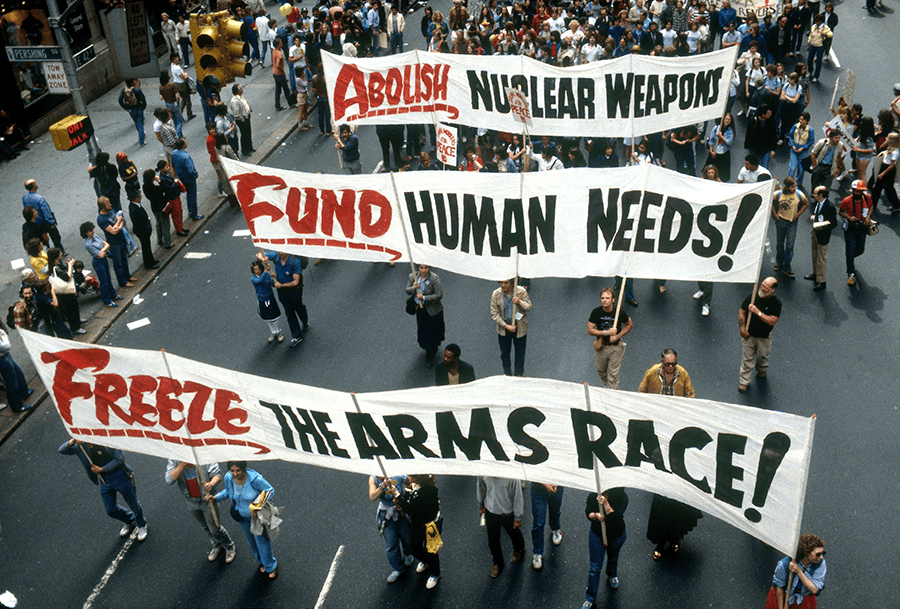
Representative Markey, Senators Ted Kennedy (D-MA) and Mark Hatfield (R-OR) and other legislators introduced nonbinding freeze resolutions in Congress. The House of Representatives approved a watered down version of the freeze in May 1983. The vote symbolized public support for the freeze, but it had no direct impact in stopping the continuing buildup of nuclear weapons.
The impact of the freeze movement was nonetheless significant. It created a political climate for arms reduction that prompted the Reagan administration to tone down its previously bellicose rhetoric .
The administration attacked the freeze proposal, but the president was forced to respond to the popular movement. Nuclear saber rattling gave way to messages of moderation and support for arms control. Disarmament negotiations with the Soviets resumed. All of this occurred before Gorbachev came to power. The change was an example of the power of social action and protest.
The freeze movement’s infrastructure of grassroots activism and arms control lobbying was essential for the most sustained political fights of that era: the campaign to stop the MX missile and the campaign to halt nuclear testing. The MX and test ban campaigns successfully paired grassroots actions with political pressure in Washington to win important victories for the disarmament movement. They demonstrated the influence of mass participation at the grass roots level for achieving policy change.
 David Cortright
You must be logged in to post a comment.