The realist argument for disarmament is bolstered by the relative success of the Nonproliferation Treaty (NPT) and the global nonproliferation regime it anchors.
In the 1960s U.S. leaders feared that as many as two dozen countries would eventually acquire nuclear weapons, but since then only four countries have built the bomb: Israel, India, Pakistan, and North Korea. Twenty-five states that acquired or were developing weapons capability discontinued their programs.
The NPT has 191 member states: five acknowledged nuclear states (the U.S, Russia, China, France and the UK), and 186 countries that have vowed not to build the bomb. Three states never joined (Israel, India and Pakistan), and one state (North Korea) dropped out in 2003.
The five nuclear states are obligated under Article VI of the treaty to negotiate for disarmament, but they have not fulfilled that pledge.
Despite its limitations, the NPT has been relatively successful in stemming the spread of nuclear weapons. The effectiveness of the NPT results from rigorous monitoring and control systems established in the global nonproliferation regime.
Nonproliferation compliance is also due to the confidence of states that other states are forgoing the bomb. States agree to sign away the bomb when they have assurances that their nonnuclear commitment is verifiably reciprocated by other states. These assurances motivate states to join and remain within the NPT system.
A commitment by the acknowledged nuclear states to pursue disarmament, as required by the treaty, would strengthen the overall NPT system and provide additional assurances globally against nuclear development by other states.
Most nonproliferation successes have been the result of negotiated agreements achieved through sanctions- and incentives-based diplomacy.
States that have terminated nuclear development programs have done so in exchange for security assurances and promises of global economic integration. They have also responded to internal political dynamics and improvements in regional and international security. Positive inducements and sanctions relief have been essential factors in convincing states to forego the option of nuclear weapons development.
The use of military force and “maximum pressure” sanctions to achieve nonproliferation has been counterproductive.
Proliferance
Nuclear weapons have what Jonathan Schell termed a “proliferance” effect. When a country acquires or seeks nuclear weapons, it prompts rival states to obtain countervailing capacity. This is an example of the security dilemma: an arms buildup by one country often prompts a reciprocal response from another, as rivals seek to match their adversaries. In the Middle East, Saudi Arabia has declared that if Iran develops a nuclear bomb, it will feel compelled to follow suit.
Iran
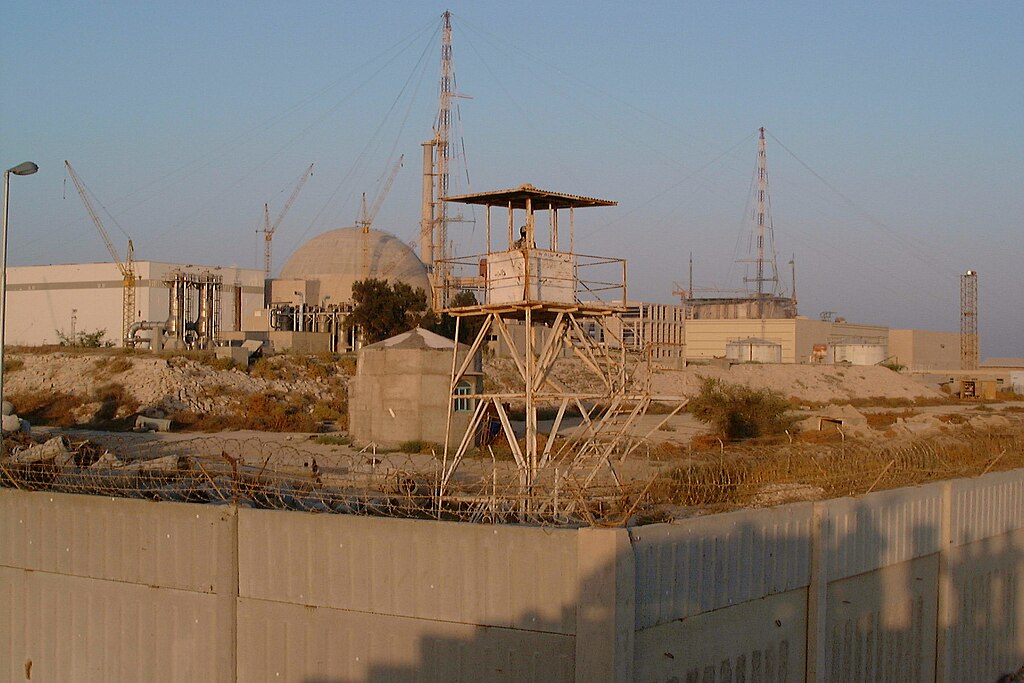
International efforts to prevent Iran from developing nuclear have been a major focus of U.S. and international policy. UN sanctions were imposed against Iran in the 2000s, accompanied by U.S. and European diplomatic efforts to reach a negotiated agreement to prevent Iran from developing nuclear weapons. The result was the 2015 Joint Comprehensive Plan of Action.
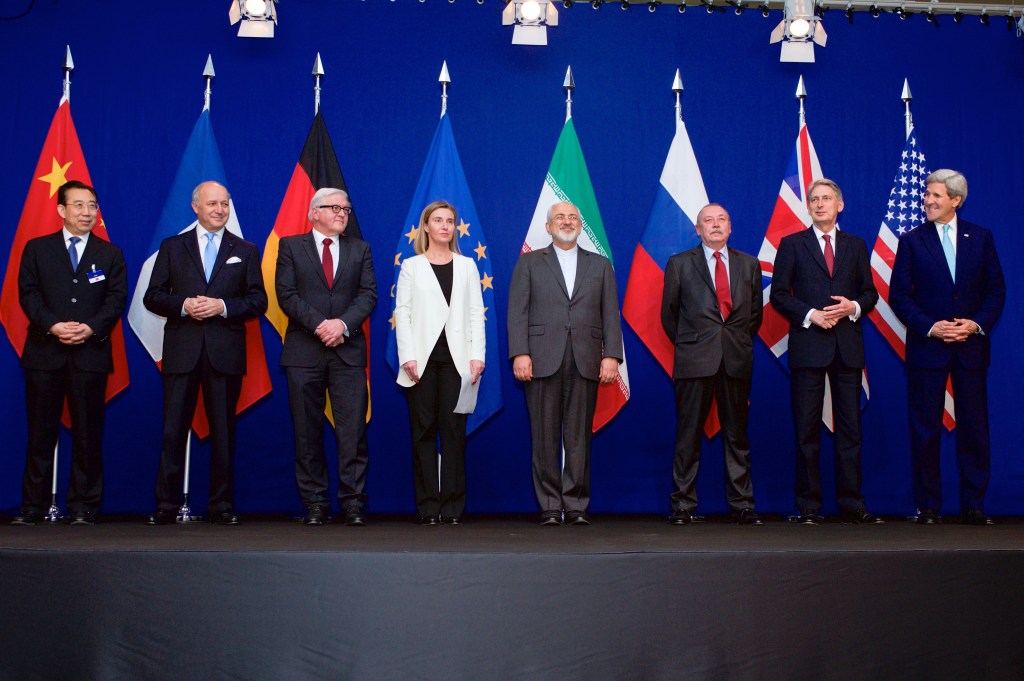
The JCPOA was effective in blocking Iran’s path to developing nuclear weapons, but the Trump administration reneged on the deal in 2018, ignoring overwhelming evidence that Iran was complying with the terms of the agreement. The U.S. imposed maximum pressure sanctions, and Iran responded by beaching the terms of the deal to expand its enrichment of uranium.
Israel and the United States waged a twelve-day war in June 2025 to destroy Iranian nuclear sites, with inconclusive results. On February 28, 2026, the US and Israel waged another larger war that caused extensive damage and led to the closing of the Strait of Hormuz but was unable to subdue Iran or destroy its nuclear capacity.
As I argued at the time, war is not the answer.
The crisis with Iran could have been avoided if the U.S. had maintained the successful JCPOA agreement. In April 2026, I was interviewed by Michael Smerconish for his Sirius-XM show, on the topic “The JCPOA for Dummies,” recorded on YouTube.
Diplomatic negotiations are the only option for reaching agreement to limit Iran’s nuclear program.



 David Cortright
You must be logged in to post a comment.