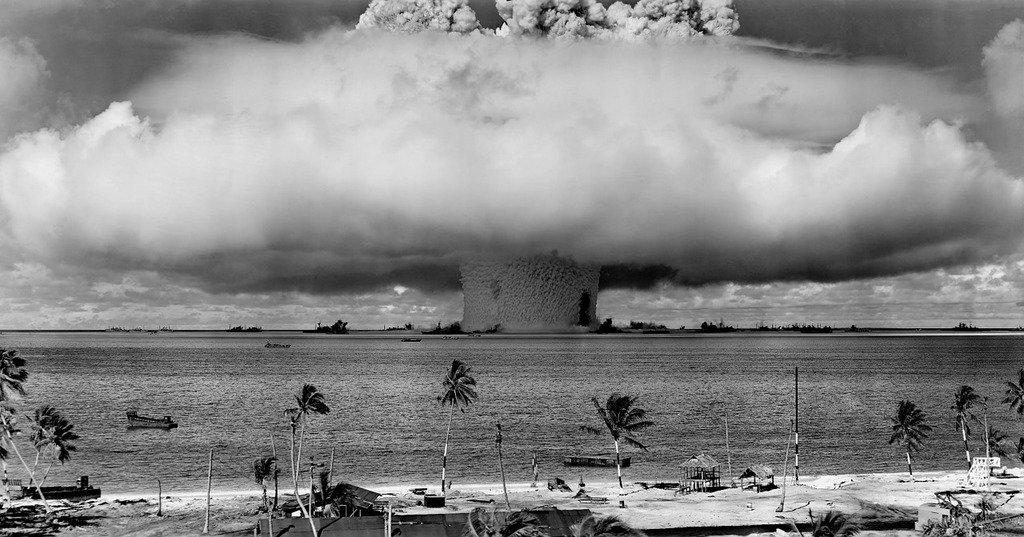
Nothing is more important for human survival than the prevention of nuclear war.
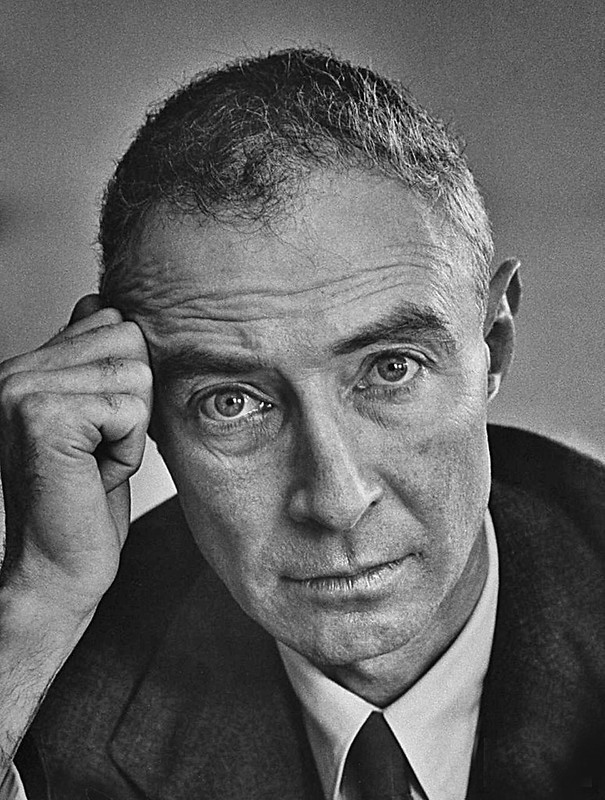
The atomic scientists who created the bomb were among the first to speak out against the horror of nuclear weapons and the threat they pose to human existence. They opposed building more atomic bombs and called for placing atomic energy under international control. Religious leaders and many others supported these efforts.
Physicist J. Robert Oppenheimer was the director of the Los Alamos Laboratory that created the bomb. He supported the bombing of Hiroshima and Nagasaki but later regretted it. He opposed development of the H-bomb and lost his security clearance as a result. His story is told in the film Oppenheimer.
Oppenheimer helped write the 1946 Acheson-Lilienthal plan for preventing an arms race and placing atomic power under international control. But U.S. and Soviet officials were unwilling to reach agreement on mutual disarmament. Political divisions and insecurities propelled a frightening arms race that has spread and continues today.
Waves of citizen activism followed in subsequent decades to contain and reduce the nuclear threat. In the 1950s and early 1960s scientists and many others organized against atmospheric nuclear weapons testing.

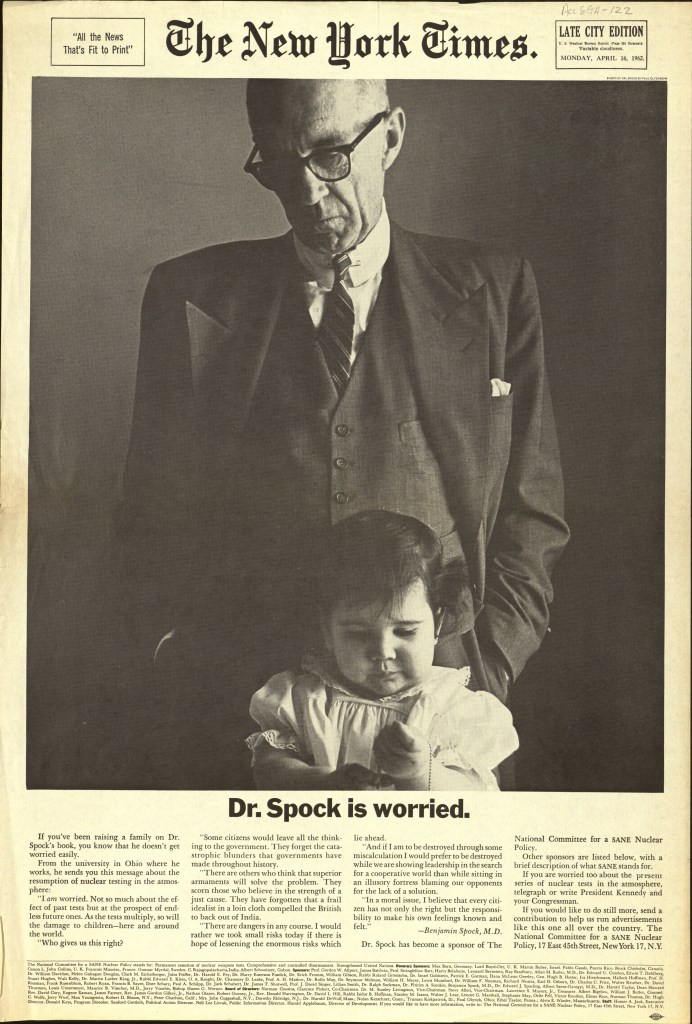
SANE, the Committee for a Sane Nuclear Policy, was formed in 1957 and generated significant support for a test ban. Dr. Benjamin Spock was one of SANE’s sponsors at the time. He appeared in influential newspaper ads to express his concern for the health of children.
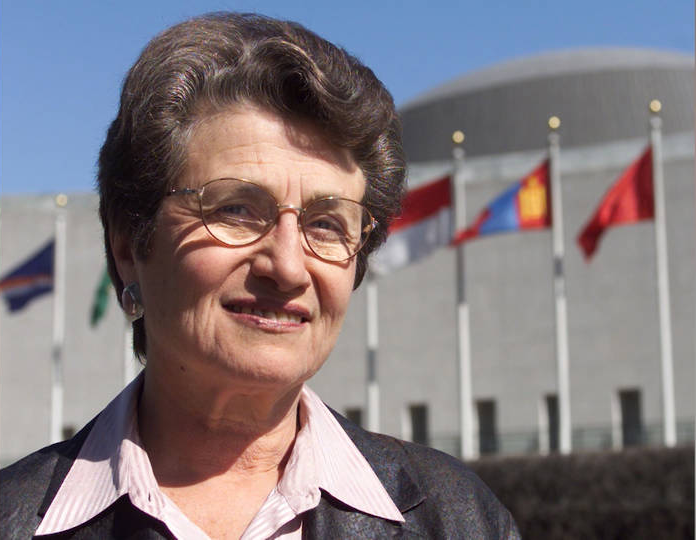
Women’s Strike for Peace also emerged at that time, organizing protests in front of the White House to demand an end to atomic testing.
Protests and other public pressures led to the 1963 Partial Test Ban Treaty. Atmospheric testing ended, although nuclear explosions continued underground at the U.S. government test site in Nevada.
In the 1980s, the U.S.-Soviet arms race reached terrifying levels. Each side possessed tens of thousands of bombs and were rapidly building new and more deadly weapons.

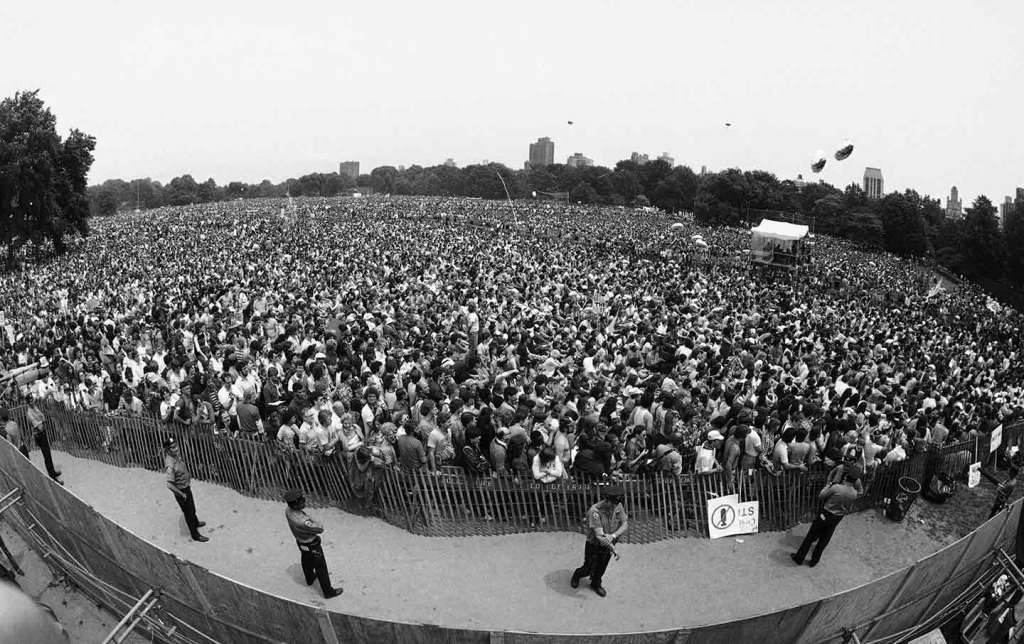
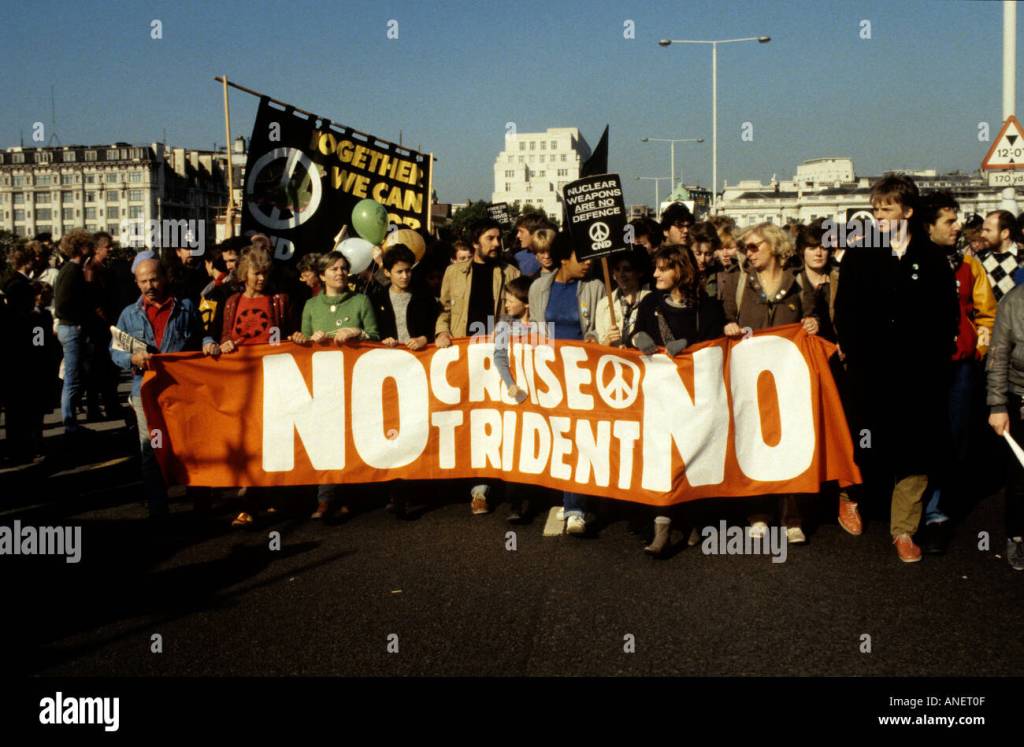
Public resistance spread widely in Europe and the United States and produced some of the largest mobilizations for peace in human history.
These movements created political pressures for negotiations that reduced nuclear stockpiles by more than 80 per cent and helped to end the cold war.
Citizen advocacy remains essential today to counter nuclear proliferation and build support for renewed arms reduction.
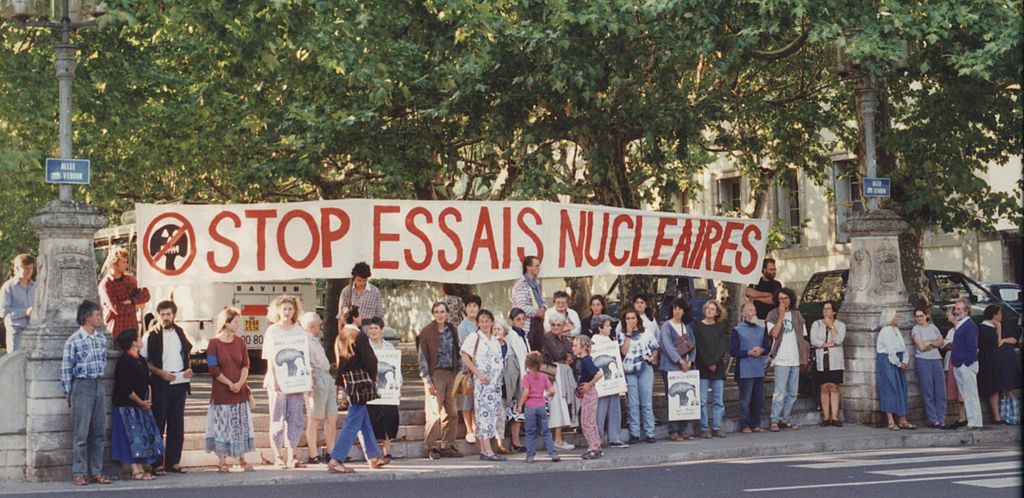
France: Demonstration against nuclear tests in Lyon (1980’s) 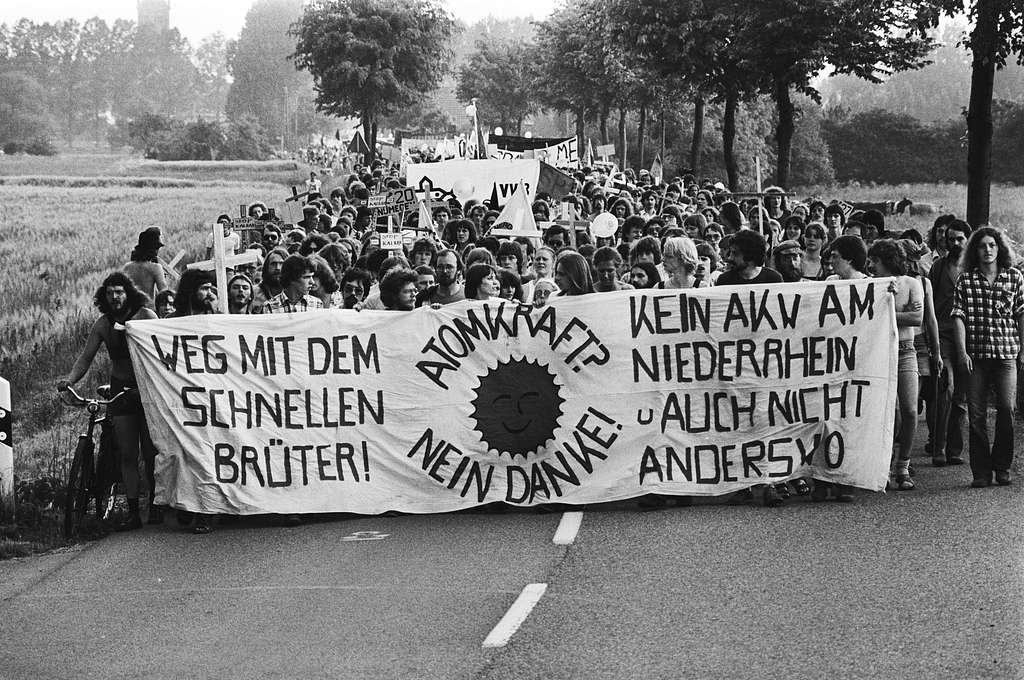
Germany: Demonstration against nuclear power plant in Kalkar (1979) 
Germany: Massive peace demonstration in Bonn against the modernization of nuclear weapons in Western Europe (1981) 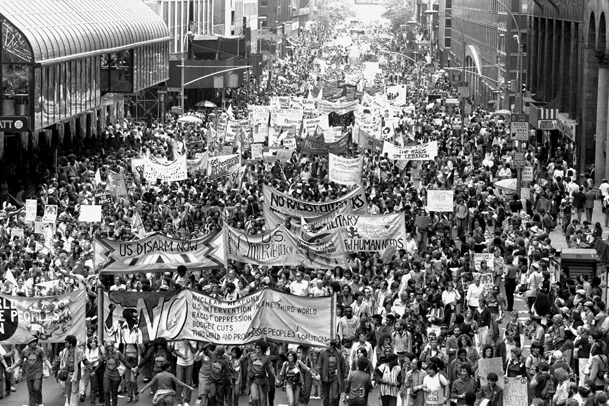
USA: Anti-nuclear demonstration on 42nd street. (Photo by Mike Lipack/NY Daily News Archive via Getty Images)
Why Disarmament

For peace advocates the struggle against arms accumulation has been an essential part of the strategy for peace, especially in the atomic age. With the fate of the earth at stake, the demand for disarmament is an existential challenge. (Schell, J. 1982).
The argument for disarmament rests on the assumption that large military establishments and excessive levels of weaponry increase the tendency of governments to use military force as the primary instrument of statecraft. When military power is the principal tool of policy, decision makers are more likely to view international issues through the prism of military action. As the popular saying goes, when your primary tool is a hammer, every problem looks like a nail.
Weapons makers and military elites benefit from arms development and generate pressures for increased weapons production regardless of actual security needs. Those who make and finance weapons were once condemned as “merchants of death.”
Arms buildups by one state often prompt reciprocal buildups by another. This is what political scientists term the “security dilemma.” Weapons building can create an arms race dynamic and may increase political tensions that can lead to war. The result is often less security, not more.
The case for disarmament also rests upon economic, social, and political factors. Economist and SANE co-chair Seymour Melman argued that the presence of a “permanent war economy” distorts industrial decision making and diverts resources from human needs and civilian innovation toward unproductive military purposes. Archbishop Desmond Tutu emphasized the social costs of excessive arms spending in his 1984 Nobel Peace Prize speech:
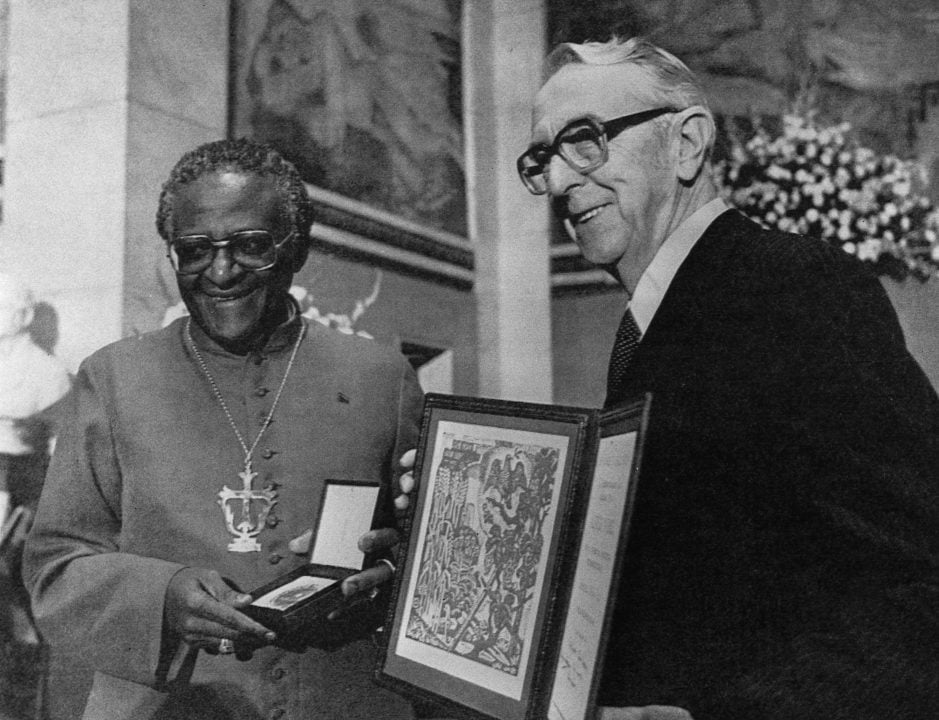
Nations are engaged in a mad arms race, spending billions of dollars wastefully on instruments of destruction, when millions are starving. And . . . just a fraction of what is expended so obscenely . . . would make the difference in enabling God’s children to fill their stomachs, be educated, and given the chance to lead fulfilled and happy lives.
President Dwight D. Eisenhower spoke of the social consequences of the arms race:
Every gun that is made, every warship launched, every rocket fired signifies, in the final sense, a theft from those who hunger and are not fed, those who are cold and are not clothed… Under the cloud of threatening war, it is humanity hanging from a cross of iron.
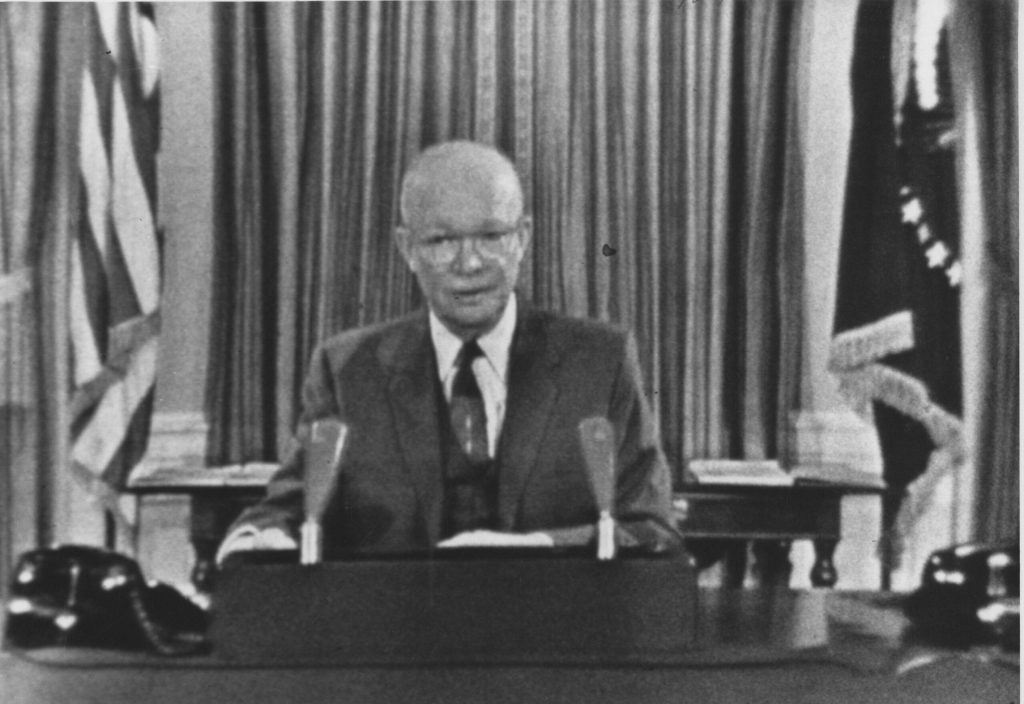
Eisenhower also famously warned of the harmful political influence of the arms lobby in his 1961 farewell address:
In the councils of government, we must guard against the acquisition of unwarranted influence, whether sought or unsought, by the military-industrial complex. The potential for the disastrous rise of misplaced power exists and will persist. … Disarmament, with mutual honor and confidence, is a continuing imperative. Together we must learn how to compose difference, not with arms, but with intellect and decent purpose.





 David Cortright
You must be logged in to post a comment.