Nonviolence and pacifism are often equated but are not the same. Nonviolent action is a form of political and social struggle developed by Gandhi and others as a means of overcoming oppression and injustice. Pacifism emerged in the 19th and early 20th century as a response to war and a rejection of the use of military force.
Absolute pacifism can be a form of passivity, a withdrawal from the fight again aggression and oppression. It may leave vulnerable communities defenseless. The weakness of the lamb can be an invitation to slaughter.
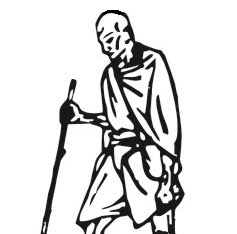
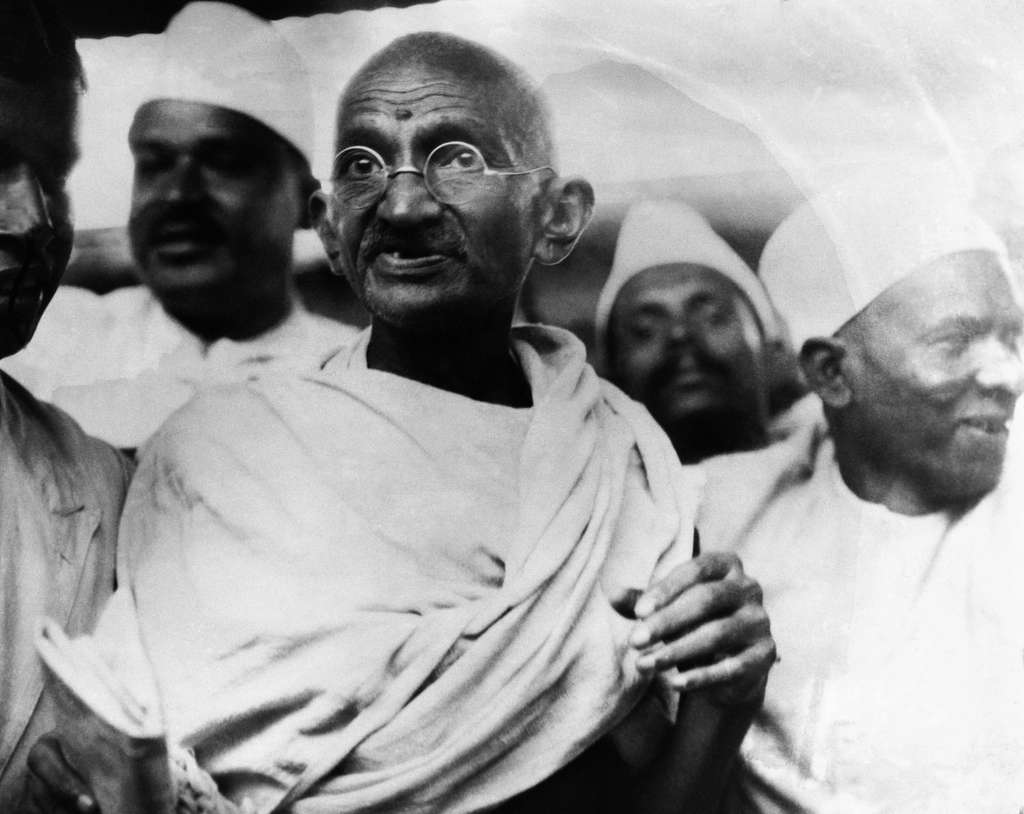
There is nothing passive about the use of nonviolent means, Gandhi emphasized. Satyagraha is active resistance to social evil. It takes courage and strength to stand up to oppression without weapons.
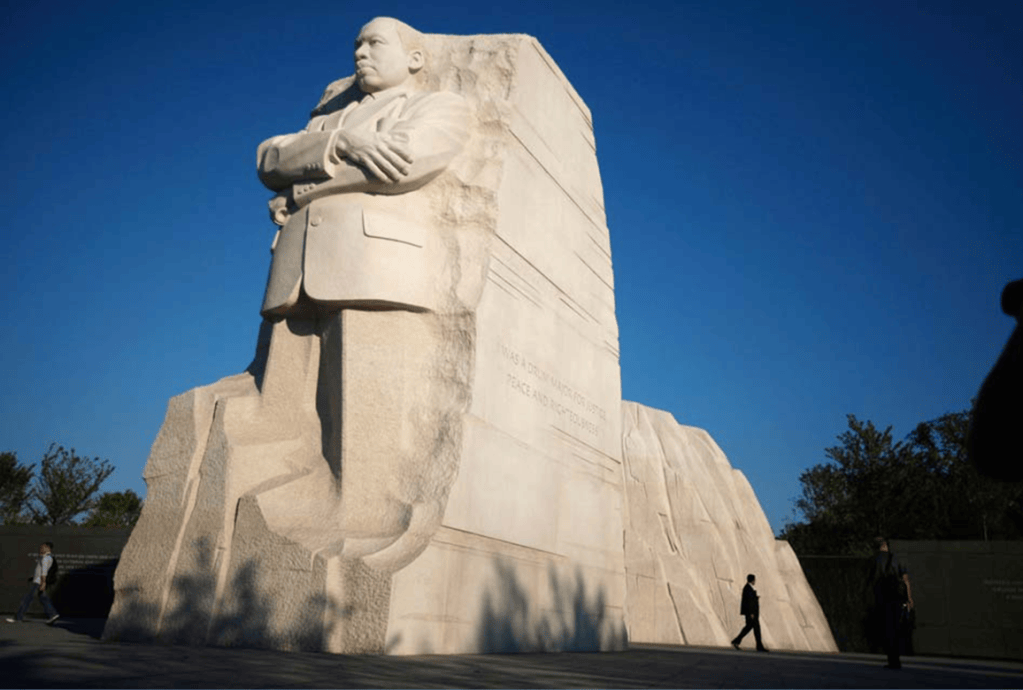
Martin Luther King Jr. agreed with Gandhi and saw nonviolent action as a potent and forceful means of applying pressure for racial justice.
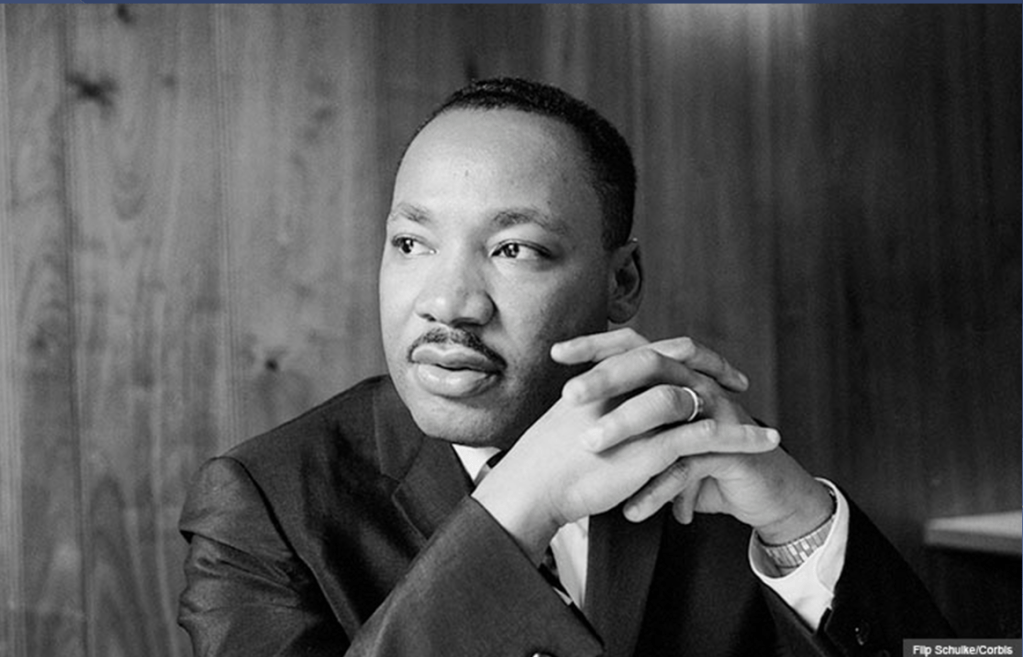
King studied Gandhi’s strategies and principles and adapted them to the fight against segregation in the US. He successfully applied nonviolent methods in the civil rights movement and changed the course of history.
King had photos of Gandhi and Jesus in his office. He said that Gandhi was the first person in history to “lift the love ethic of Jesus above mere interaction between individuals to a powerful and effective social force on a large scale.”
Love and Power
King studied the works of theologian Reinhold Niebuhr, who emphasized the reality of social evil and the limits of human perfectibility. Power continues to exploit weakness until it is challenged by countervailing power, Niebuhr wrote. To overcome injustice it is necessary to generate coercive pressure.
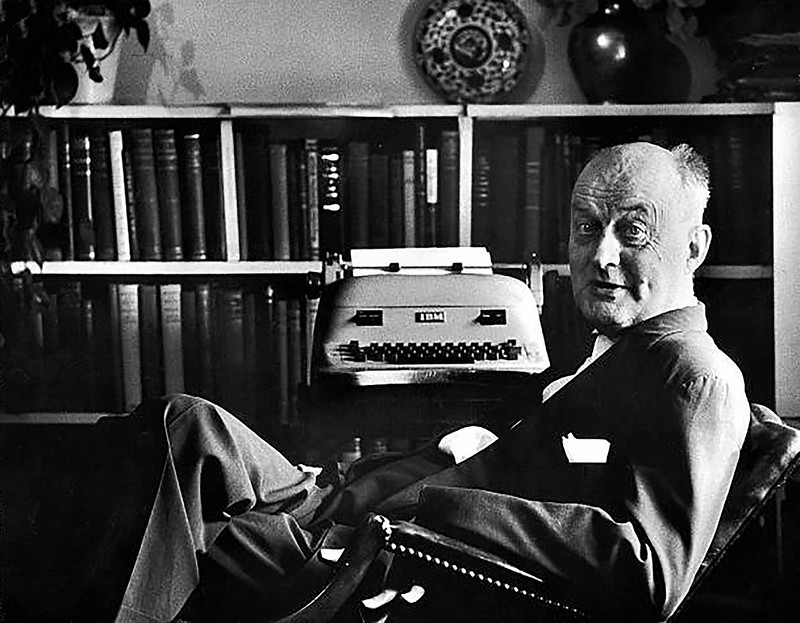
King understood the importance of power. He integrated the thinking of Niebuhr and Gandhi into a perspective he called “realistic pacifism.” He was firmly committed to nonviolent means of struggle, while seeking to create what he called “constructive power” rooted in principles of Christian love. Power without love is reckless and abusive, he wrote, and love without power is sentimental and anemic.
“Power at its best is love implementing the demands of justice.”
The power of nonviolent action is exercised through mass noncooperation, civil disobedience, boycotts, strikes, and nonviolent obstruction. Nonviolent power is also realized through the creation of civic organizations and digital networks that have the power to engage in legislative and electoral action, and to influential mass communications and social media messages.
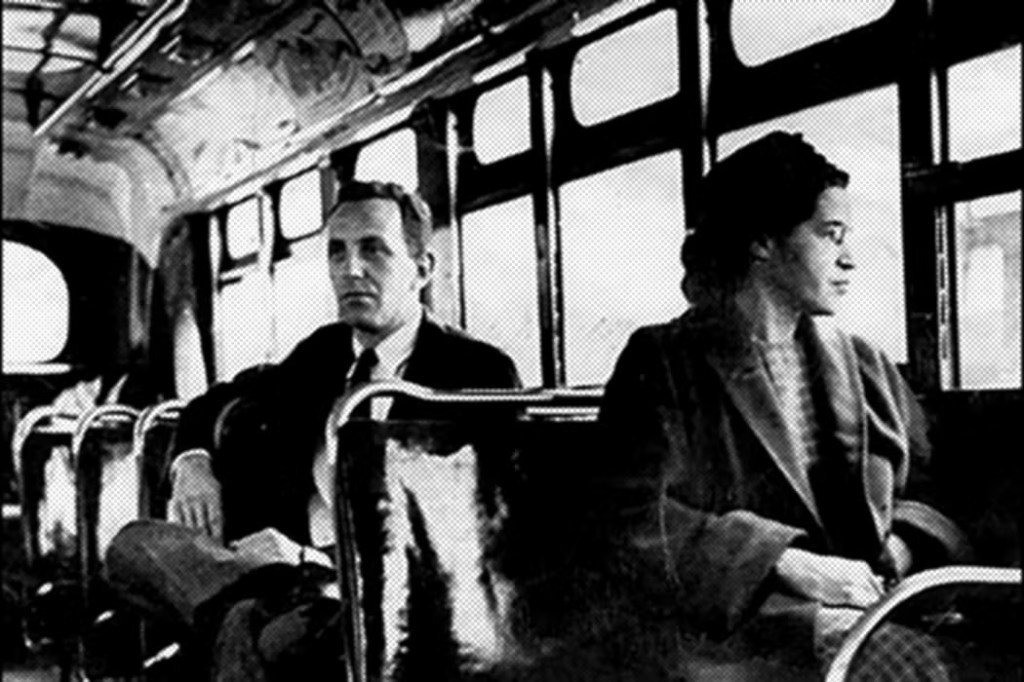
Acts of civil disobedience in the civil rights movement were collective, such as boycotts of downtown merchants, and individual, such as Rosa Parks’ legendary refusal to accept segregated seating on a bus in Montgomery, Alabama in 1954.
In his ineffable Letter from a Birmingham Jail, King outlined the four essential steps of nonviolent action, which I paraphrase here:
- Collect the facts
- Engage in dialogue and negotiation with the adversary
- Be prepared to sacrifice
- Take nonviolent direct action
Self-defense?
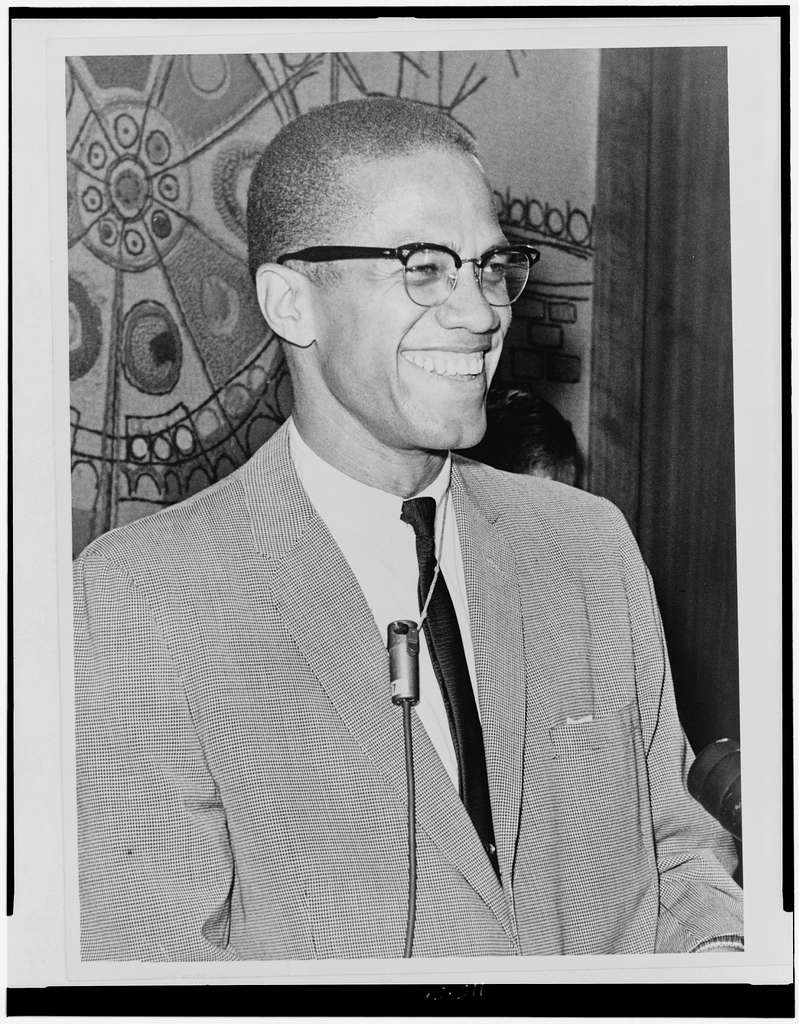
Malcolm X was sharply critical of Dr. King’s emphasis on nonviolence, famously calling for resistance “by any means necessary.” We will be nonviolent only with those who are nonviolent with us, he said.
Dr. King disagreed with Malcolm on the question of violence, but he recognized the right of self-defense. He cited the example of an elderly black woman in rural Georgia who kept a shotgun by her door to protect against raids by the Ku Klux Klan.
King considered objections to nonviolence based on the principle of self-defense a “false issue.” The right to defend one’s home and one’s person has been guaranteed through the ages by common law, he observed. The right of self-defense is included in the Charter of the United Nations.
However, King was adamant in separating the principle of self-defense from the use of violence as a method of social and political struggle. The only means of achieving success for social justice, he insisted, is through nonviolent action. To use violence would be suicidal and would turn away the broad social and political support needed to overcome the legal and political structures of segregation.
The historic passage of the Voting Rights Act in 1965 was vindication of King’s strategy and a major advance for the rights of oppressed people in America.
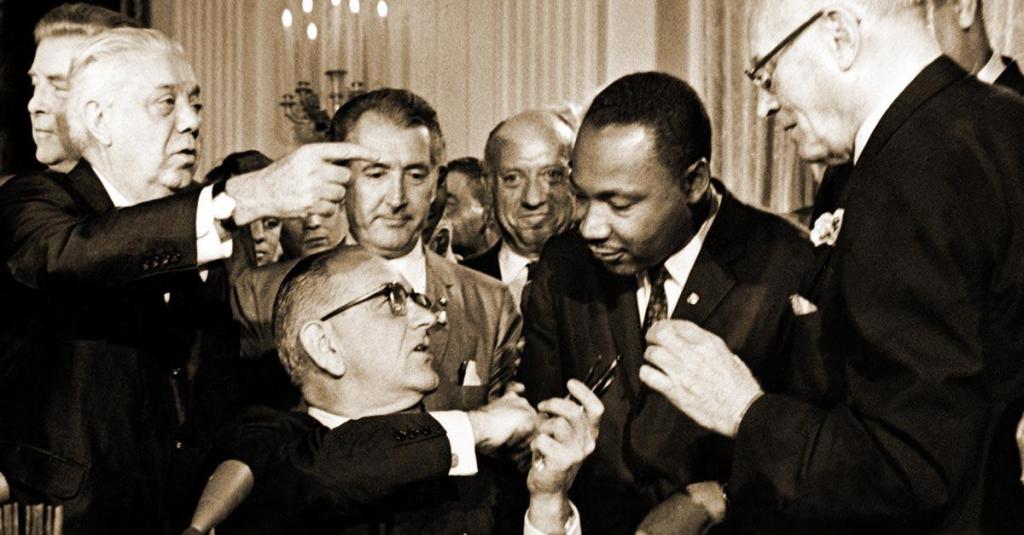
Over the years Supreme Court rulings have undercut key provisions of the Voting Rights Act, most recently in the 2026 Callais case, but the Act’s prohibition against black voter disenfranchisement at the time still stands as an historic achievement.
The Kings and Peace
As a strong advocate of nonviolence, King naturally supported the peace movement. He joined SANE , the Committee for a Sane Nuclear Policy, in March 1958, soon after the organization was founded, and long before I became director. King added his name to dozens of SANE’s letters, petitions, brochures, and advertisements. In 1961 he said,
“I don’t think the choice is any longer between violence and nonviolence in a day when guided ballistic missiles are carving highways of death through the stratosphere. I think now it is a choice between nonviolence and nonexistence.” (King, 29 October 1961).
King disagreed with the war in Vietnam and announced his opposition to the conflict in an historic public address at New York’ s Riverside Church in 1967.
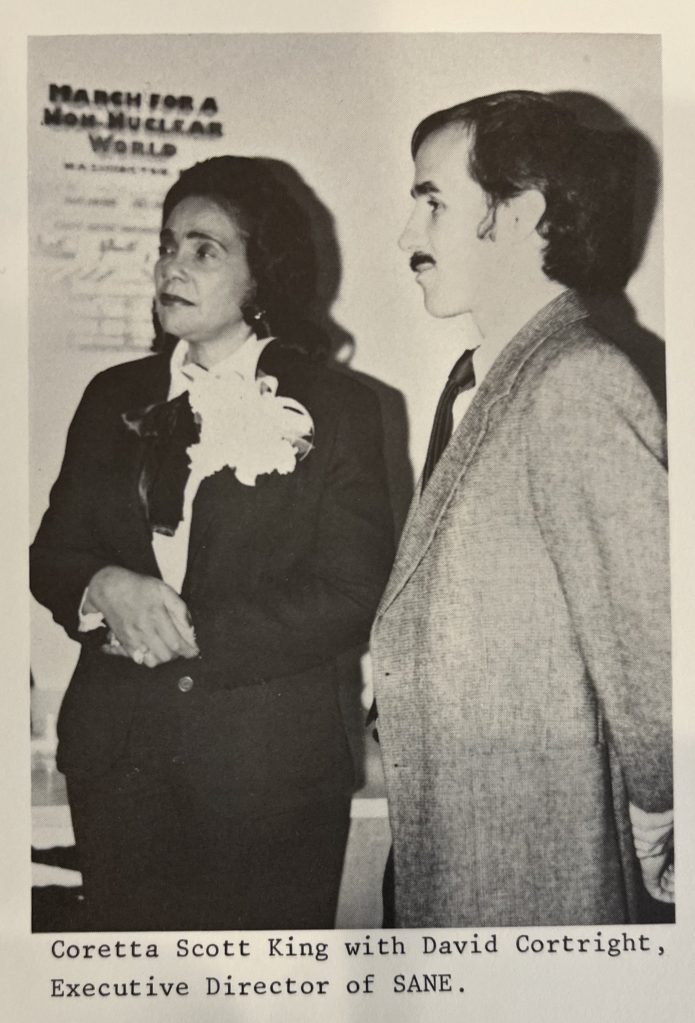
Coretta Scott King was also active in the peace movement and served as a member of SANE’s advisory council. She joined with SANE spokesperson Dr. Benjamin Spock to lead major antiwar marches in New York and Washington, D.C.
In 1983 Mrs. King attended a ceremony inaugurating the Ben Spock Center for Peace as SANE’s headquarters in Washington.
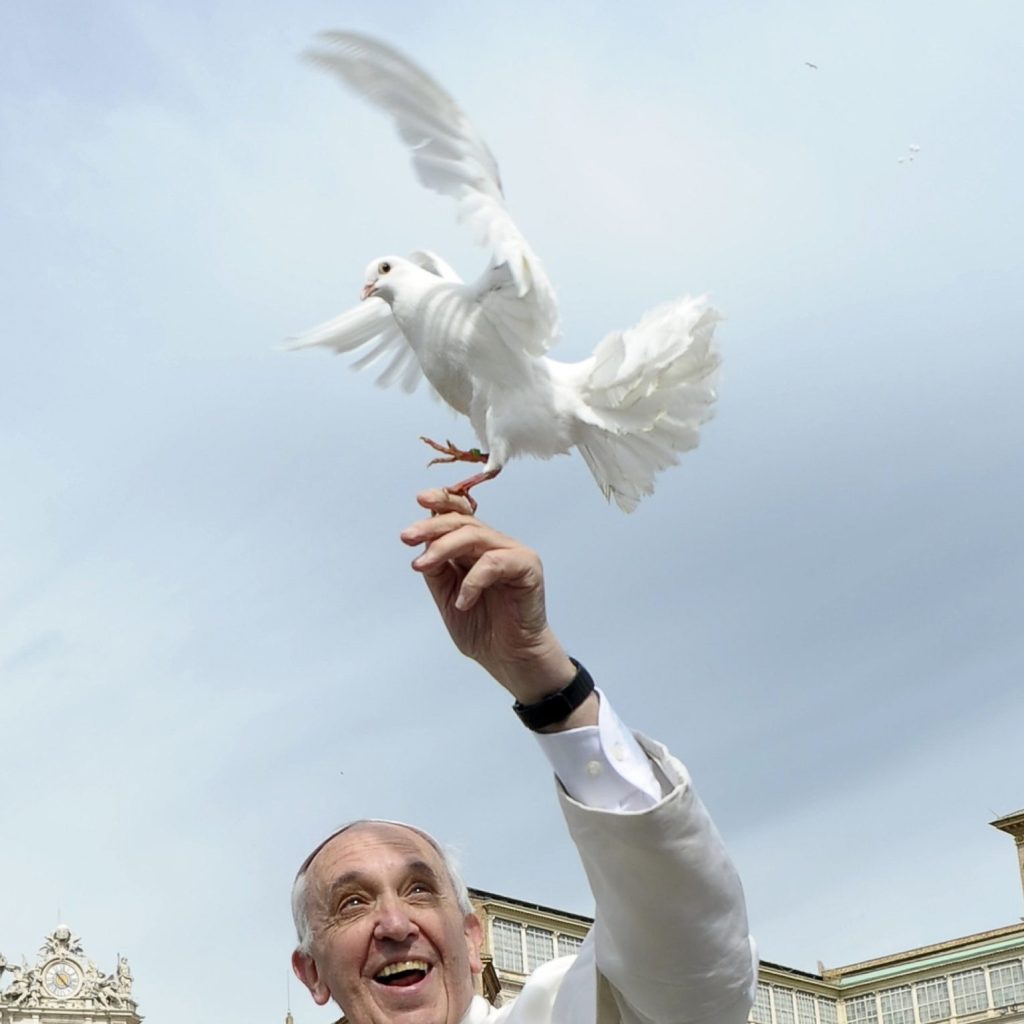
 David Cortright
You must be logged in to post a comment.